Use case · Low poly
A Low Poly Generator That Lets You Pick the Triangle Count
3 free credits on sign-up — enough for one textured model. No card.
Upload one picture. The Snapshapy agent builds a textured model in 4–7 minutes, then remeshes it for free to any target from 1,000 to 300,000 triangles, textures kept. The first model is free, and so is the GLB.
- Targets from 1k to 300k
- Remesh in about 30 seconds
- Textures and UVs kept
- 0 credits per remesh
3 At a glance
- Lowest remesh target
- 1,000
- Every remesh, as often as you like
- 0 credits
- Per remesh, after the model is built
- ≈ 30 s
- The textured model you start from
- 3 credits
Two kinds of low poly, and what a low poly generator should do
"Low poly" means two different things, and it helps to know which one you want.
- A low triangle count. The model looks like the original but is light enough for a phone game, a web page or a VR headset. This is a budget problem.
- The faceted art style. Big flat polygons, hard edges, solid colours, the look of many indie games. This is a style problem.
Snapshapy's low poly generator solves the first directly: build a full model, then cut it to the number of triangles you choose, for free, as many times as you like. The second comes from the input. Give the agent a picture already drawn in a faceted style, or describe that style in words, then remesh low so the facets stay big. Both routes are below.
How to use the low poly 3D model generator
Four steps, all in one chat. The first model takes a few minutes; every lower version after it takes about 30 seconds.
- 1
Upload a picture or describe it
Use the box at the top of this page or the chat at /app. One object on a plain background works best. No picture? Start from words with text to 3D.
- 2
Get the full textured model
The agent builds it in 4–7 minutes for 3 credits. This dense version is your master: keep it for close-ups and renders.
- 3
Ask for the triangle count
Type "remesh to 5,000 triangles, keep textures", or use the Remesh button with its 5k, 10k, 30k and 100k presets. Any number from 1,000 to 300,000 works.
- 4
Check it and download
Open the GLB in the free glTF viewer to read the exact triangle count. GLB is free on every plan; OBJ, STL, 3MF and USDZ come with a paid plan.
Low poly generator results, start to finish
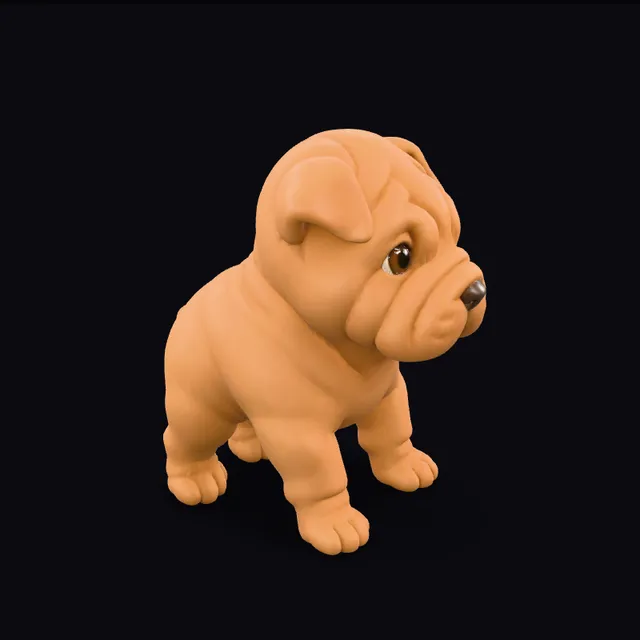
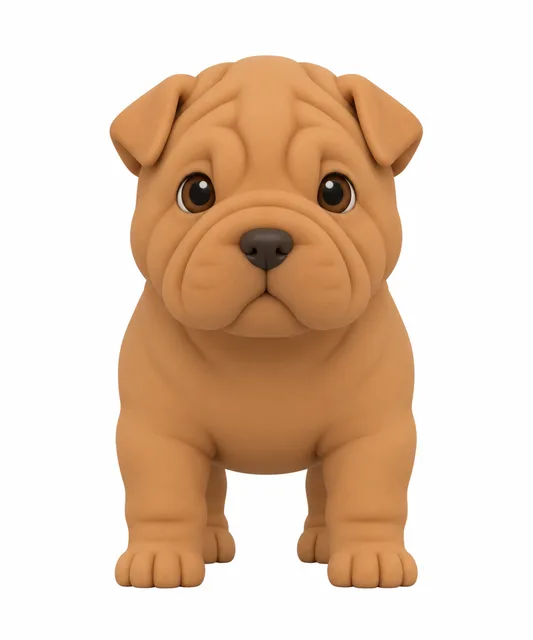
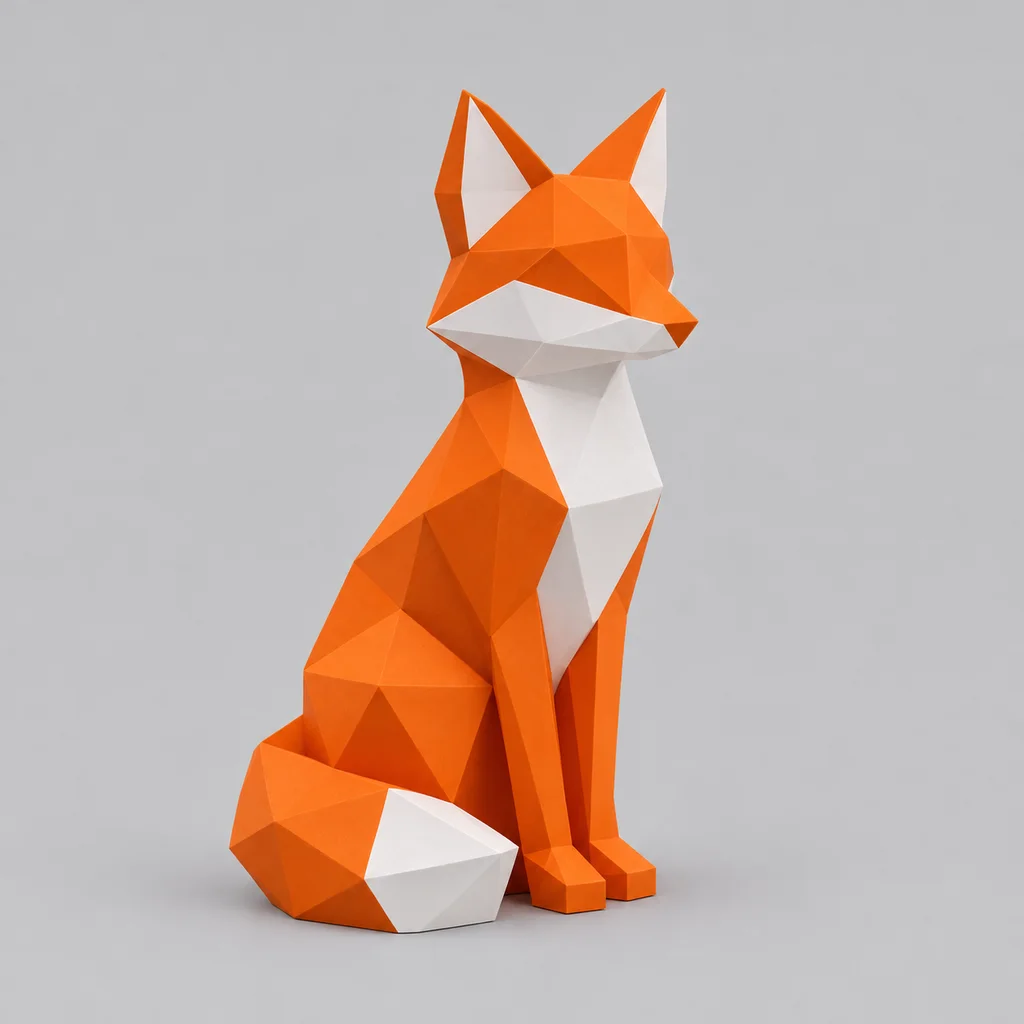
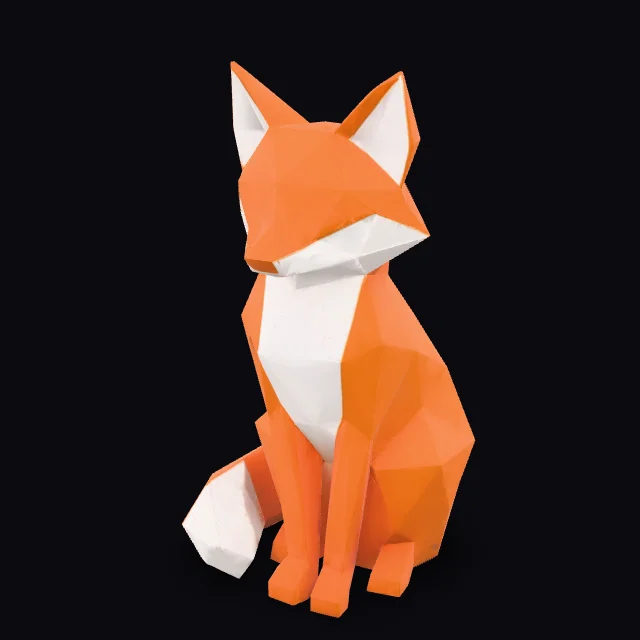
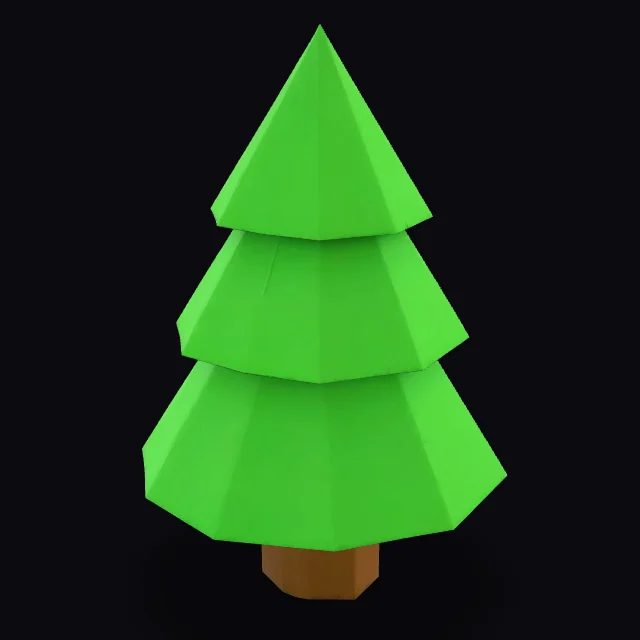
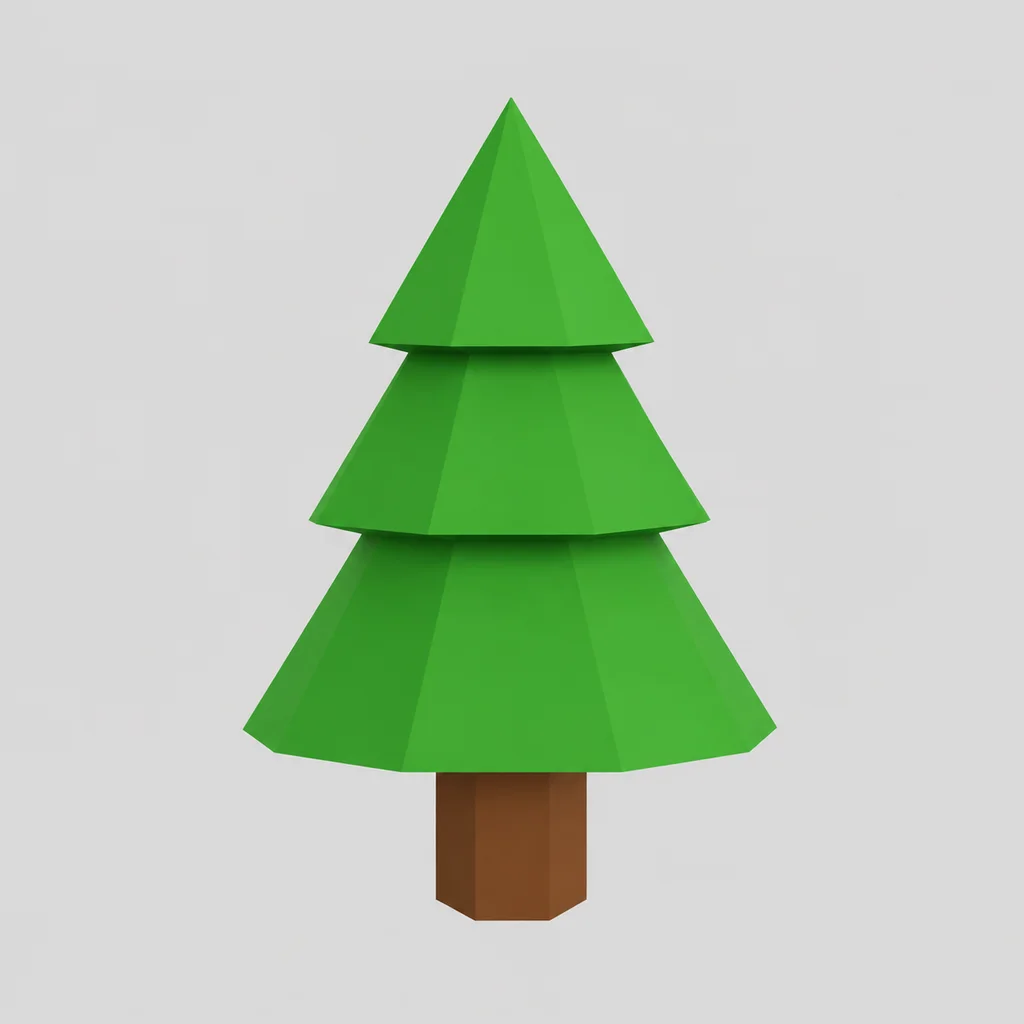
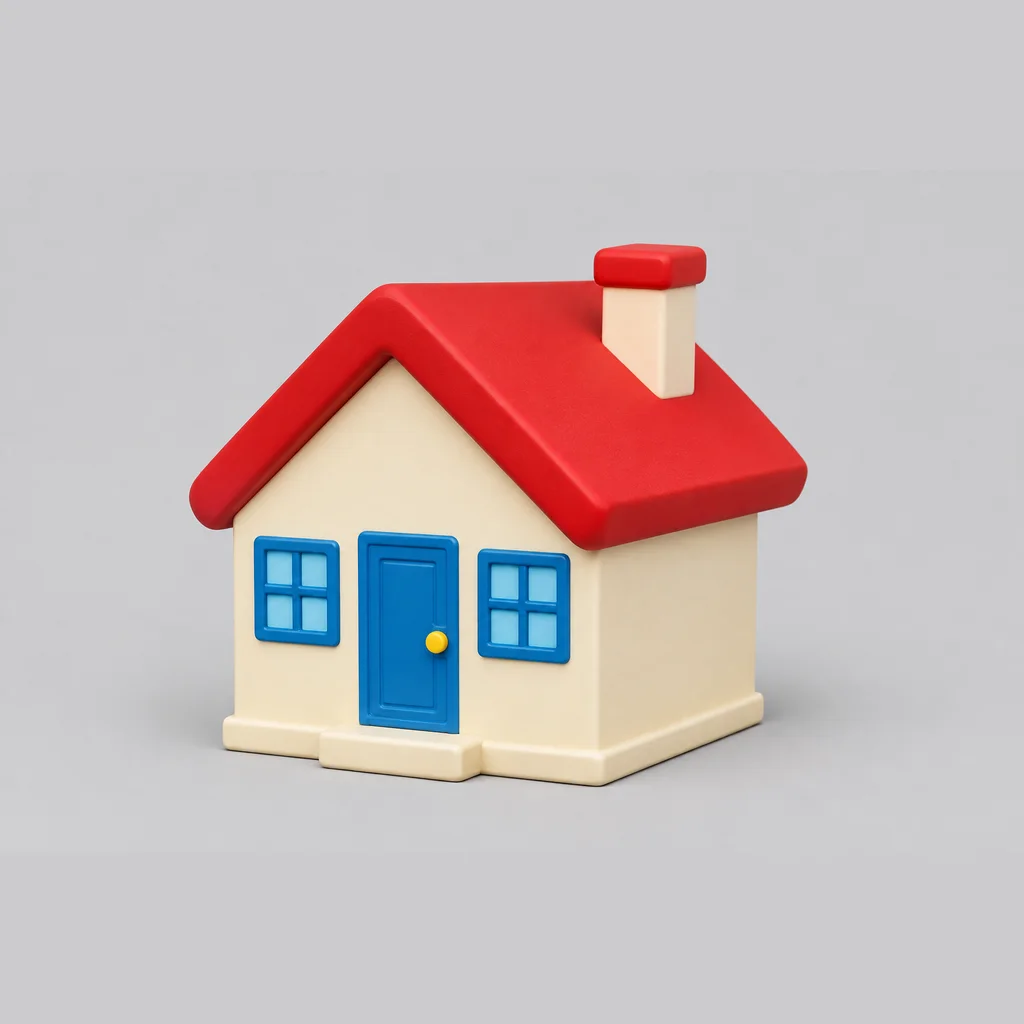
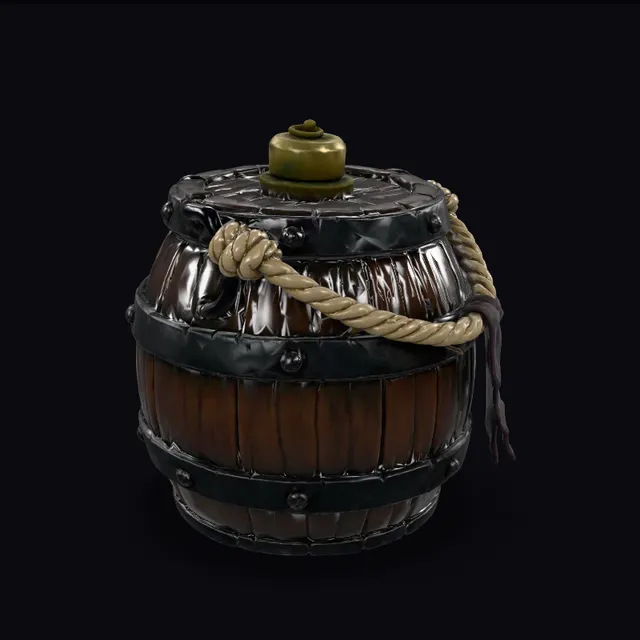
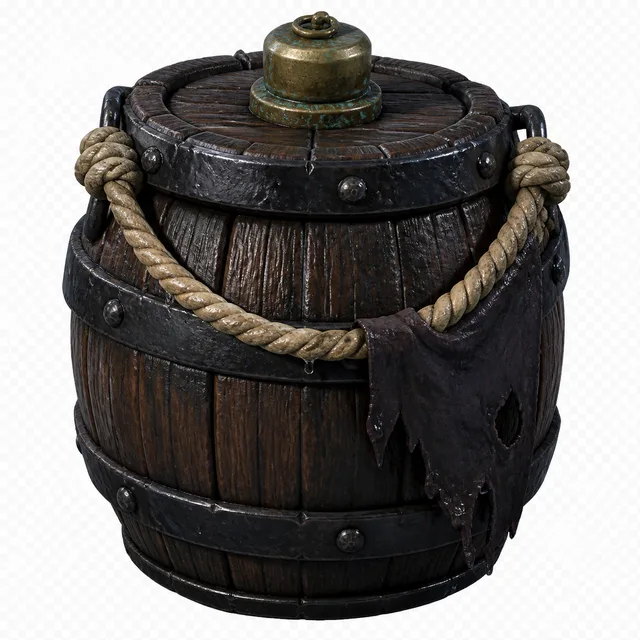
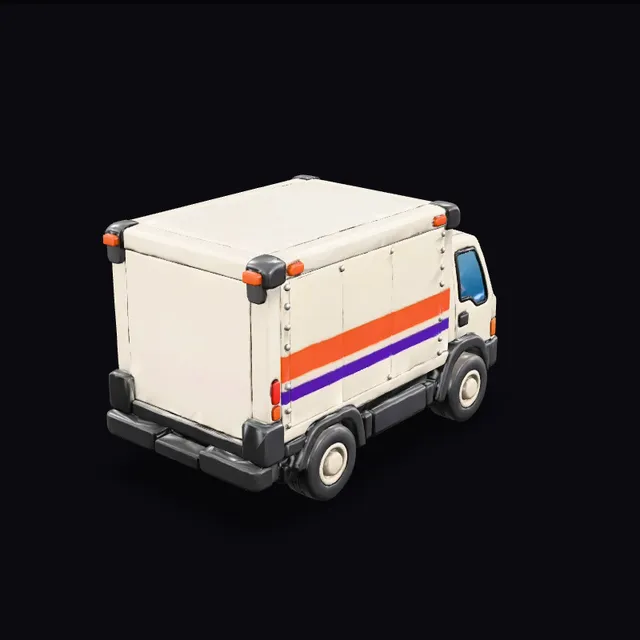
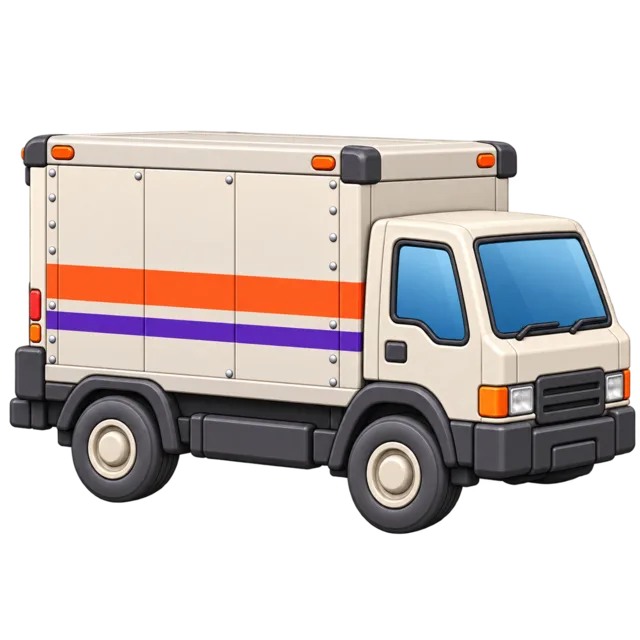
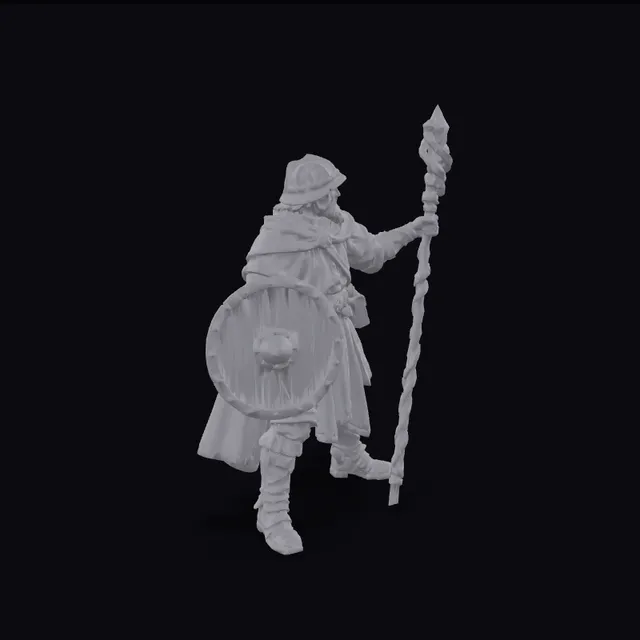
Each model below started as one picture. The first three were made in a deliberate faceted style; the others are regular models you can remesh to any budget.



How many triangles is low poly? Targets by platform
There is no single number. These are common starting points for one prop; your scene's total budget decides the rest.
| Where it runs | Small prop | Hero object or character | Remesh preset to try |
|---|---|---|---|
| Mobile game | 500–3,000 | 5,000–15,000 | 5k |
| Web page or WebXR | 2,000–10,000 | 20,000–50,000 | 10k or 30k |
| Standalone VR headset | 1,000–5,000 | 10,000–30,000 | 5k or 10k |
| PC or console game | 5,000–20,000 | 30,000–100,000 | 30k or 100k |
| Render or close-up | Keep the master | Keep the master | None |
Snapshapy's lowest target is 1,000 triangles. Below about 1,000, a hand-modelled asset is usually the better tool.
Keep textures or drop them?
The remesh tool asks one question: keep the textures or not.
Keep textures is the setting for games, the web and rigging. The UV map is preserved, so the painted colours still fit the lighter mesh. The catch is that UV seams set a floor: at very low targets, the tool protects the seams and gives up detail elsewhere first, so a tiny target may look rougher than the number suggests.
Drop textures gives a grey mesh that hits the target exactly. That is what you want for 3D printing, where STL and 3MF carry no colour anyway, or when you plan to paint flat colours yourself in Blender.
Either way it costs 0 credits and takes about 30 seconds, so you can make both and compare.
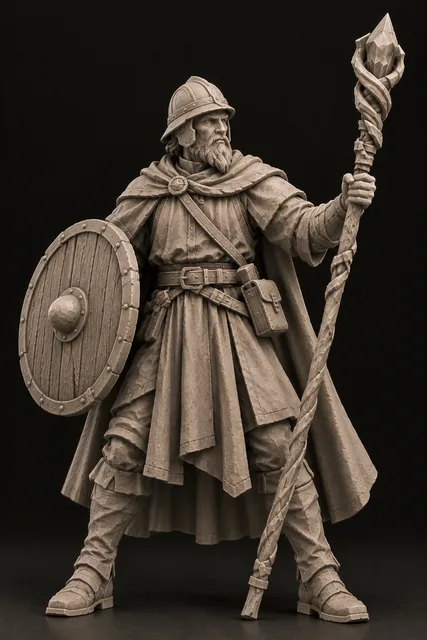
- Keep: games, web, AR, rigging
- Drop: printing, hand-painted flat colour
- A remesh without textures can't be rigged
- Both are free
Getting the faceted low poly look
The style comes from the input. A model generated from a smooth, detailed photo stays smooth-looking even when remeshed hard.
Do
- Use a picture already drawn or sculpted in a faceted style
- Say "low poly style, flat colours, hard edges" when you describe it
- Pick objects with big simple volumes: trees, rocks, houses, animals
- Remesh low so each facet stays large
- Set flat shading in your engine or Blender for crisp facets
Avoid
- Expect a detailed portrait photo to come out faceted
- Use pictures with thin parts like fences, wires or whiskers
- Push a textured model to 1,000 triangles and expect it to hold its detail
- Remesh the remesh repeatedly; remesh the master each time
- Forget to keep the dense master for close-ups
Levels of detail from one low poly 3D model generator run
Because every remesh is free and starts from the same master, one model gives you a whole set of LODs.
A common split is the master for cutscenes, 30,000 triangles for close range, 10,000 for mid range and 3,000 for far away. Each is a separate GLB. Drop them into your engine's LOD system: an LOD Group in Unity, LOD settings on the static mesh in Unreal, or the visibility range on nodes in Godot.
The whole set costs the 3 credits of the first model and about two minutes of remeshing. Engine-specific notes are on the Godot and Unity pages.
- One master, several GLBs
- Each remesh about 30 seconds
- Total cost: 3 credits
What this low poly generator does not do
The remesh is a simplifier, not a retopology tool. It reduces triangles and keeps the shape; it does not draw clean quad loops for an animator. For a hero character that has to deform in close-up, plan a manual retopology pass in Blender.
It doesn't make pixel art, voxel models or 2D sprites. And a very low target on a textured model trades detail for weight: check it in the viewer before you ship it.
On cost: the model is 3 credits, about 14 cents on Starter ($19 for 400 credits), and every remesh after that is free. New accounts get 3 free credits, enough for one model and as many remeshes of it as you like. See pricing.
Questions about low poly generator
Is the low poly generator free?
The remesh itself is always free. The model you remesh costs 3 credits, and new accounts get 3 free credits with no card, so your first model and every lower version of it cost nothing. GLB downloads are free on every plan; OBJ, STL, 3MF and USDZ need a paid plan, from $9 for the first month.
How low can the triangle count go?
Any target from 1,000 to 300,000 triangles, with presets at 5k, 10k, 30k and 100k. With textures kept, UV seams set a floor, so very low targets lose detail first. With textures dropped, the result hits the target exactly. Below about 1,000 triangles, hand modelling usually gives a cleaner result.
Does remeshing keep the textures?
Yes, if you choose keep textures. The UV map is preserved, so the painted colours still line up on the lighter mesh. Choose drop textures when you want a grey mesh for printing or flat colours you paint yourself. Only a textured remesh can be rigged afterwards; a print mesh can't.
Can it make the faceted low poly art style?
It can, through the input. Upload a picture already made in a faceted style, or describe the model as low poly with flat colours and hard edges, then remesh to a low target so the facets stay big. A smooth, detailed photo stays smooth-looking even after a hard remesh, so pick the input with the style in mind.
Will I get quads or triangles?
Triangles. The remesh simplifies the mesh to the count you set and keeps the shape, but it doesn't rebuild clean quad topology. That is fine for props, scenery and game objects. For a character that must deform well in close-up, do a retopology pass in Blender before rigging it by hand.
How long does it take?
Most models are ready in 4–7 minutes. After that, each remesh takes about 30 seconds and costs nothing, so a full set of three or four levels of detail adds roughly two minutes. You can run the remesh as many times as you want from the same master model.
Which format should I download?
GLB for game engines, the web and AR: it holds the mesh and textures in one file and is free on every plan. Paid plans add OBJ for older tools, USDZ for Apple AR Quick Look, and STL or 3MF for printing. Unity, Unreal Engine, Godot and Blender all read GLB.
Try the low poly generator on one picture
Build one textured model for free, then cut it to any triangle count you need. Every remesh costs 0 credits.
Upload a picture