Print it
Ask for a print version and name a height. The agent removes the textures, repairs the mesh and sets the size for free. Check the file in the STL viewer.
AI text to 3D
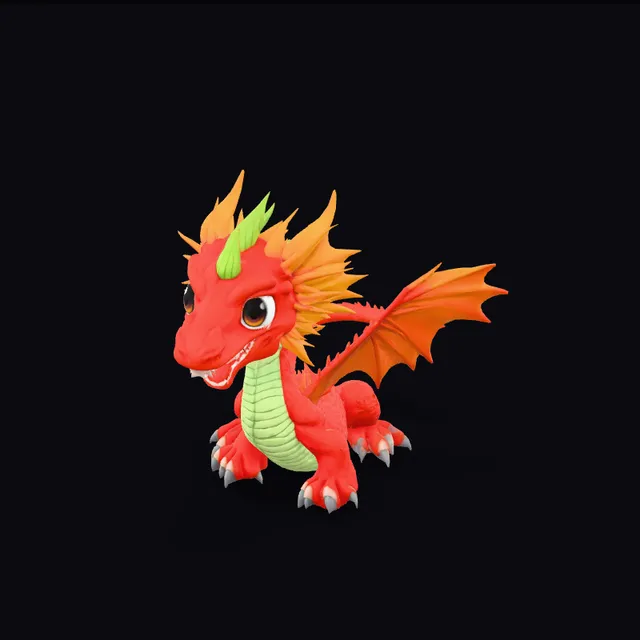
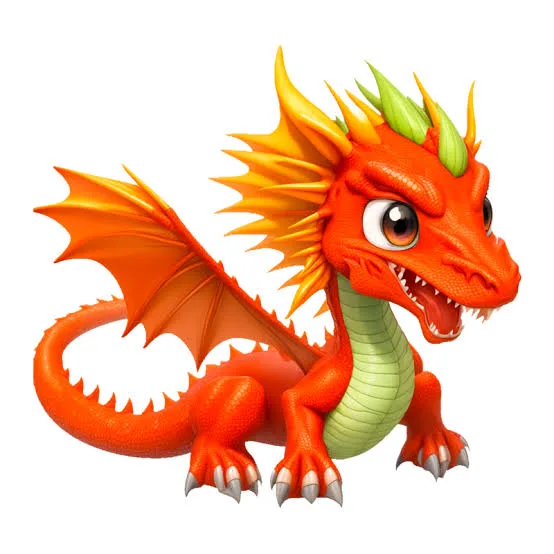
Example “A cartoon baby dragon with red scales and small orange wings”
3 free credits on sign-up — enough for one textured model. No card.
Type a description and the Snapshapy agent first draws a concept image for 2 credits, then builds the textured model from the one you choose for 3 credits, usually in 4–7 minutes. No modelling skills needed.
It is a short conversation, not a form. Each step shows up as a card you can look at before you spend more.
Type it in the box above or in the chat at /app: "a cosy mushroom cottage with a round red door". Add the style you want, such as cartoon, realistic or low-poly, and what the model is for.
The agent draws a concept for 2 credits. Ask for up to four options in one message if you want to compare. Nothing 3D has happened yet, so this is the cheap place to change your mind or tweak the wording.
Say "build this one" and the agent turns that picture into a full-colour 3D model for 3 credits. Most are ready in 4–7 minutes. A failed job refunds its credits automatically.
Download the GLB free, or on a paid plan export STL, OBJ, 3MF or USDZ. Ask for a print version, a lighter mesh, or a rig if it is a two-legged character.
A 3D model has to agree with itself from every side. A sentence leaves most of that open: "a robot" could be tall or squat, smooth or boxy, grey or orange. If the shape were built straight from the words, you would pay for every guess you didn't like.
A concept image settles those questions on a flat, cheap step. You see the silhouette, colours and proportions before any modelling starts, and you only spend the 3 model credits on a design you have already approved. The picture also becomes the texture source, so what you saw on the concept card is what gets painted onto the model.
If you already have a picture, skip the concept and start from image to 3D instead.
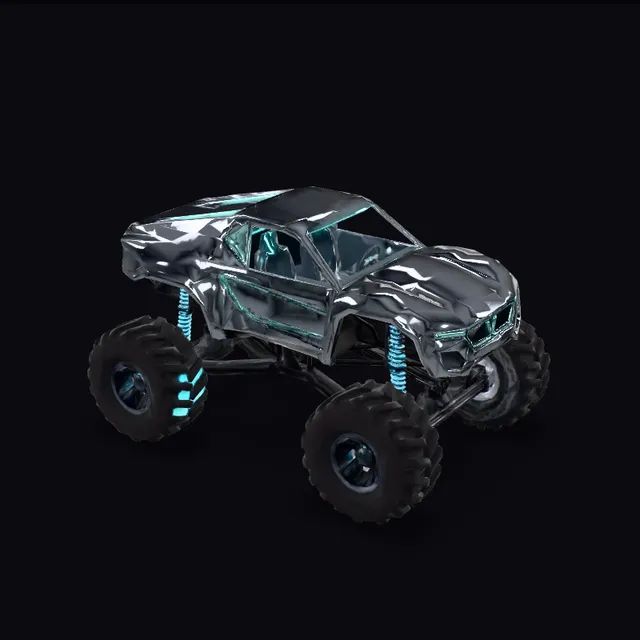
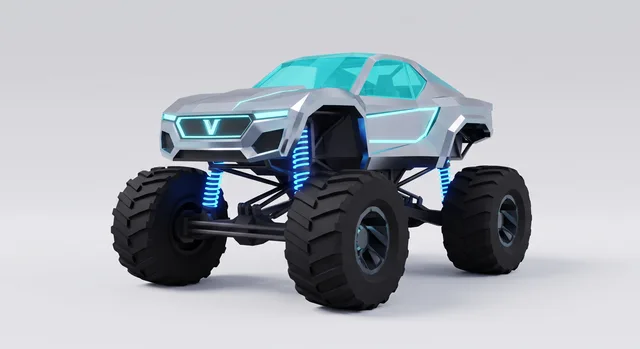
Each of these began as one typed sentence. The small image is the concept it produced, the large one the finished model.
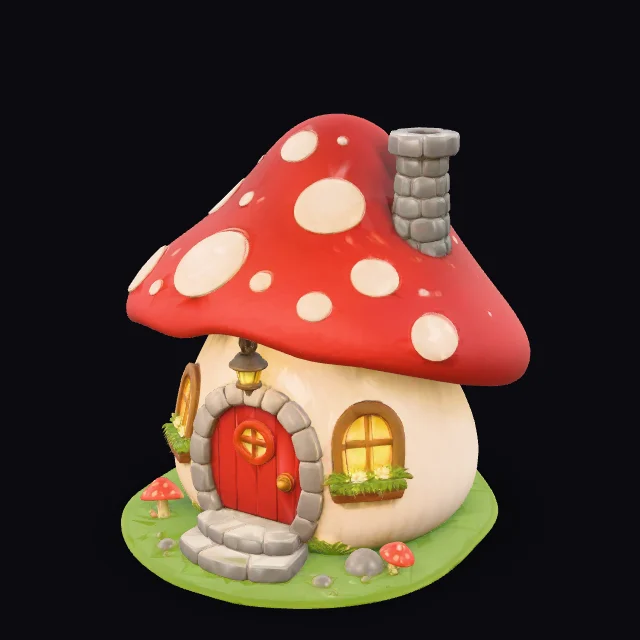
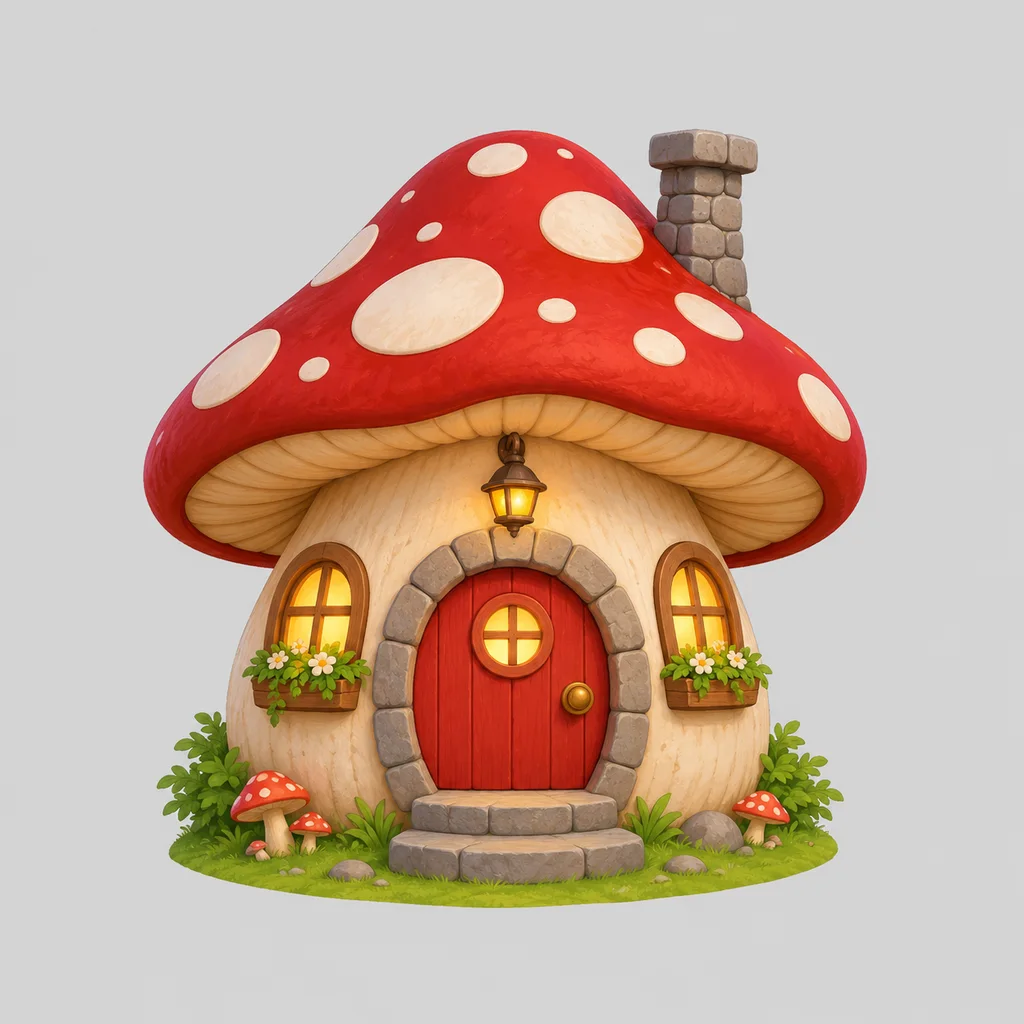
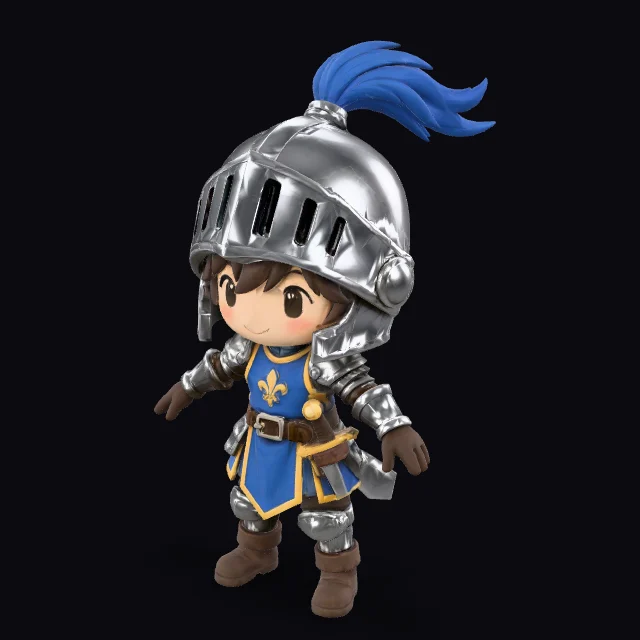
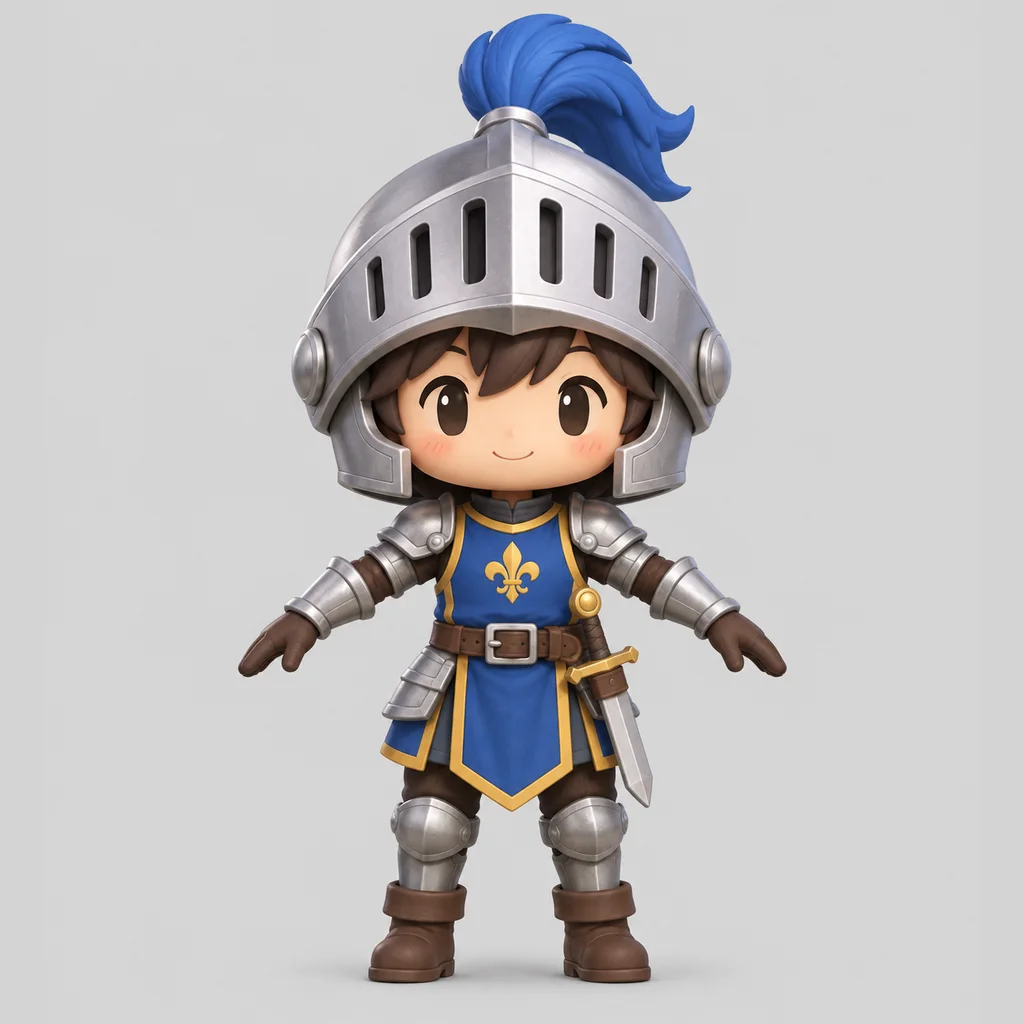
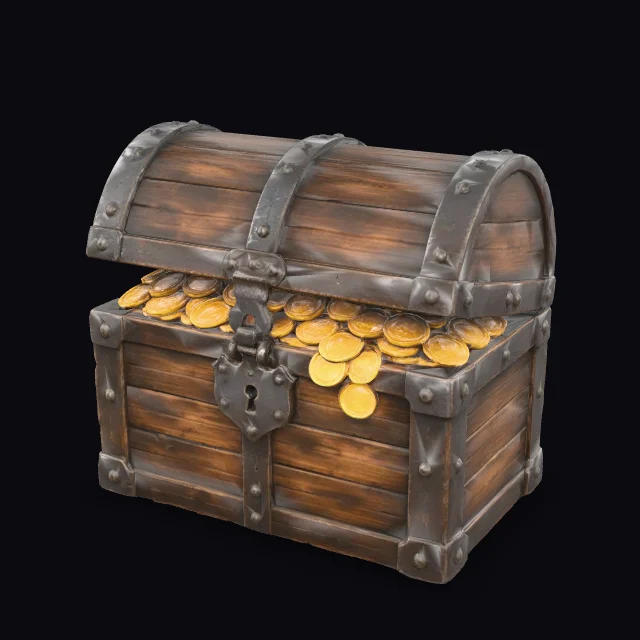
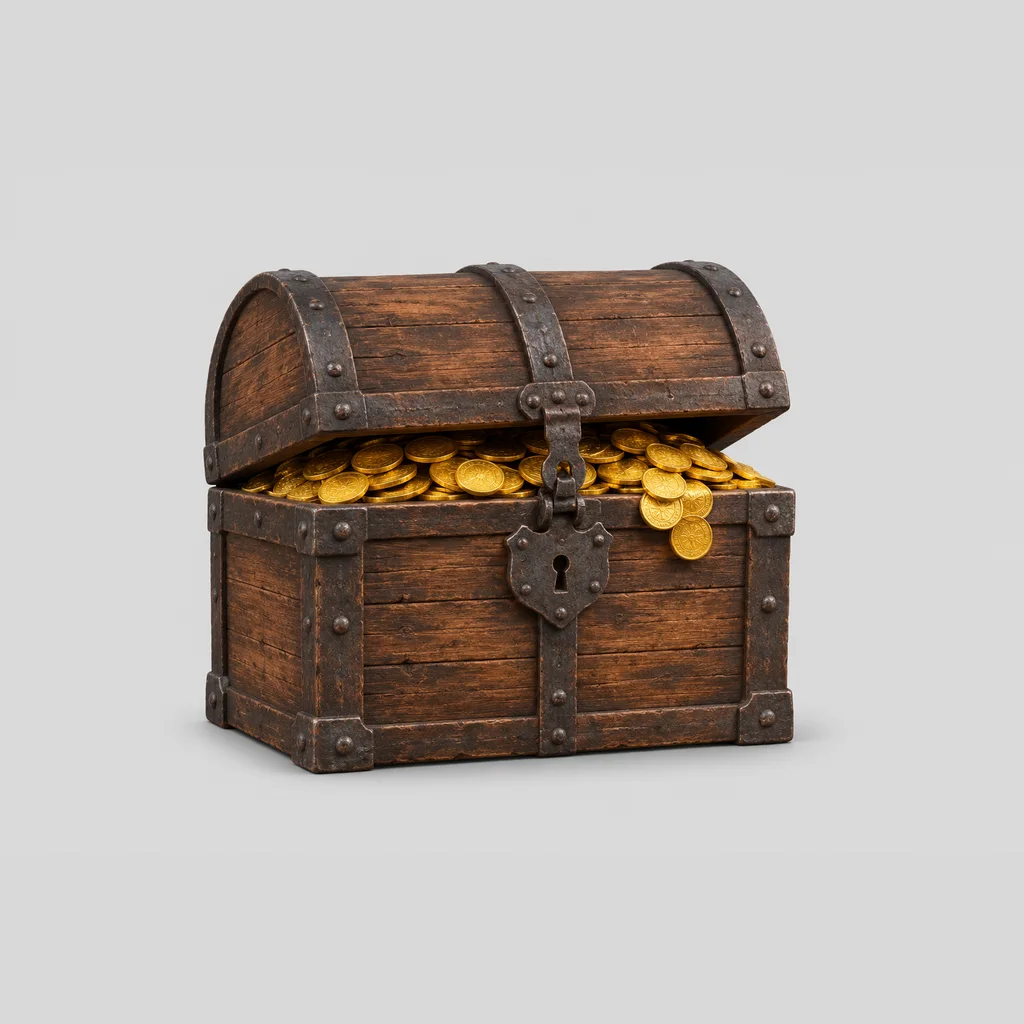
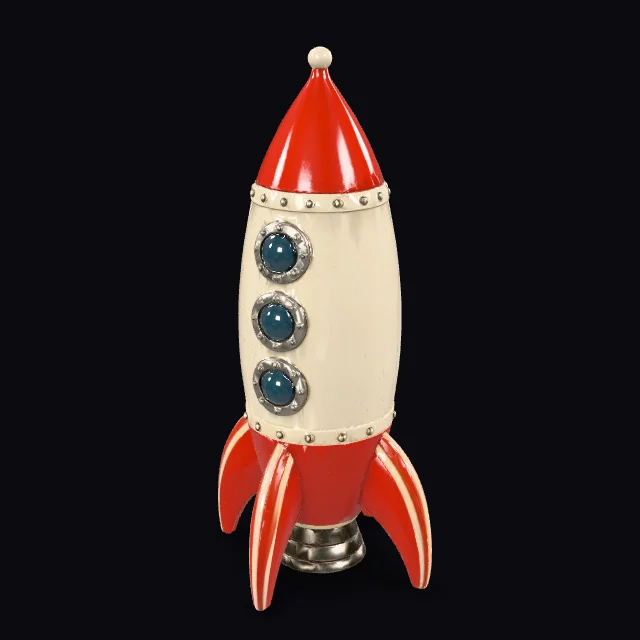
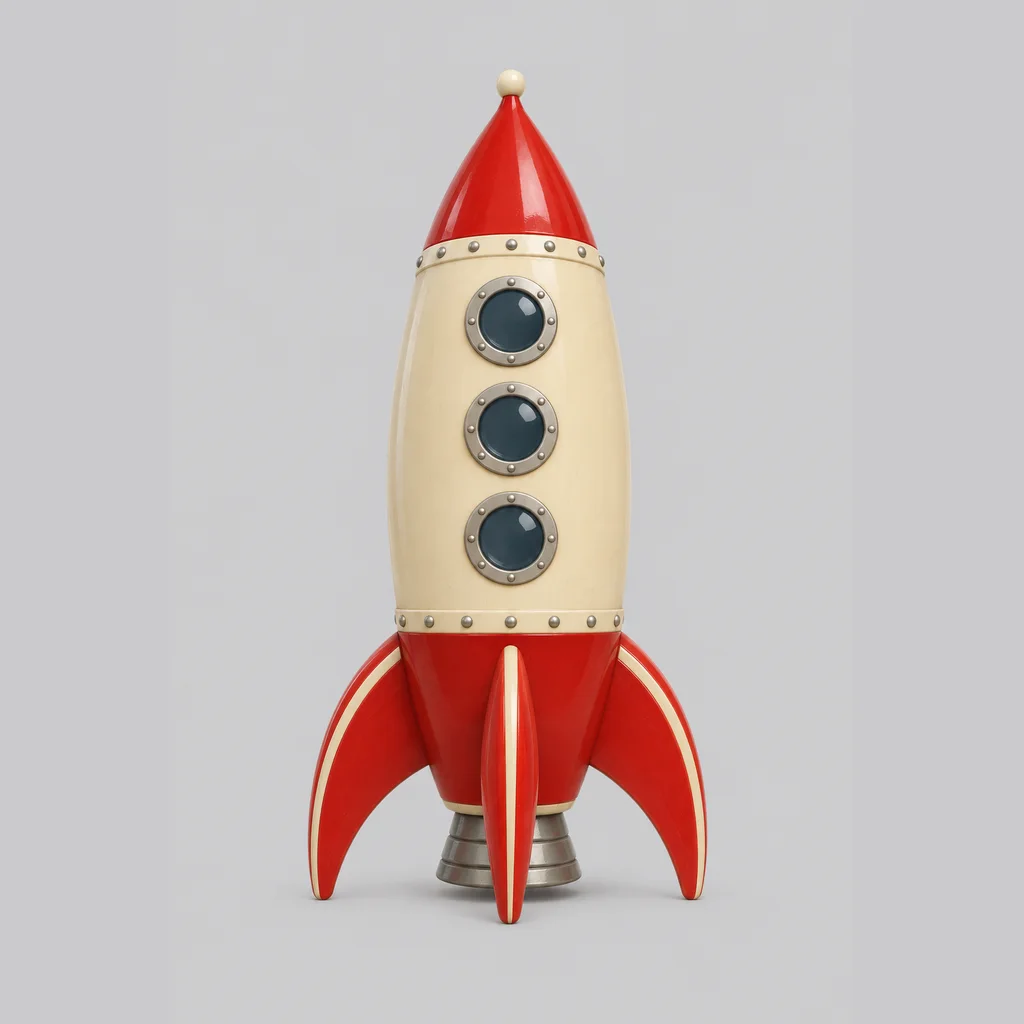
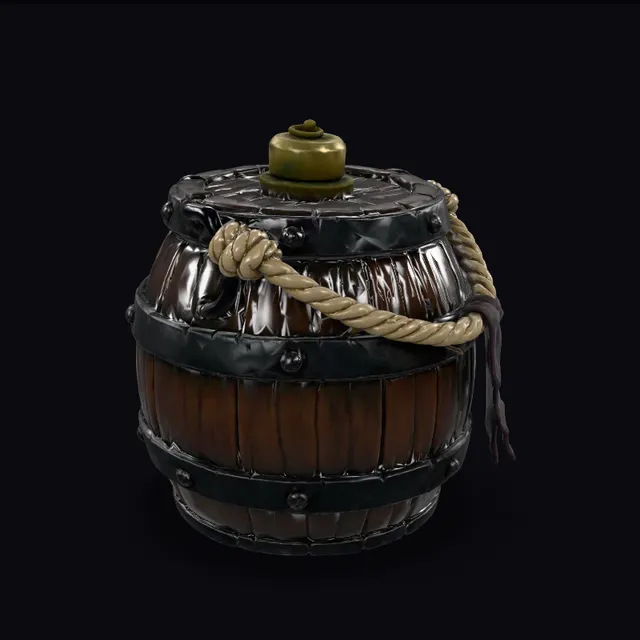
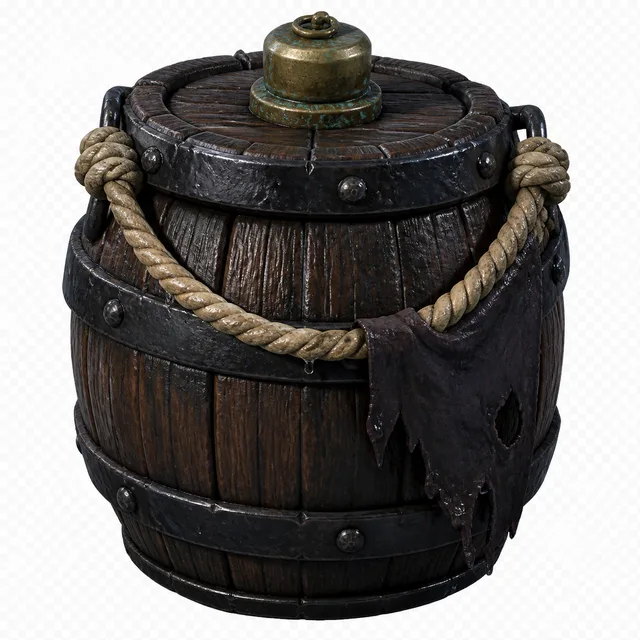
Write for one object that will be seen from every side, not for a scene or a poster.
Do
Avoid
You pay per job, in credits, and only for jobs that succeed.
| Step | Credits | Notes |
|---|---|---|
| Concept image | 2 each | Up to 4 options in one message |
| Textured 3D model | 3 | Most ready in 4–7 minutes |
| Lighter mesh or print version | 0 | Remeshing is free |
| Rig a two-legged character | 3 | Upright humanoids only |
| Animation clips | 0 | Pick from 160 clips |
| Failed job | Refunded | Credits return automatically |
One concept plus one model is 5 credits. The 3 free credits on a new account cover one concept or one model from a photo, not both. Starter is $19 a month for 400 credits, with the first month at $9; Pro is $29 for 600. See pricing.
Most misses are cheaper to fix on the picture than on the model. Reply to the concept card in plain words.
The model is a starting point. These follow-ups are one message each.
Ask for a print version and name a height. The agent removes the textures, repairs the mesh and sets the size for free. Check the file in the STL viewer.
Ask for a lower triangle count and smaller textures for mobile or the web. Remeshing costs 0 credits.
Two-legged characters can be rigged for 3 credits, then animated with any of 160 clips for free.
Reword the prompt, ask for new concepts and build a second model. Your earlier models stay in your account.
One concept is one object. Ask for "a knight and his horse" and you get one fused shape, so make them as two models. Scenes, rooms and landscapes are out of scope for the same reason.
The model is sculpted, not engineered. It has no exact dimensions, so mechanical parts, enclosures and anything that must fit another part belong in CAD.
Words painted on the object rarely survive, and very thin parts such as antennae, whiskers or loose strands can come out thicker than drawn.
Named characters and brands are described by their look rather than by name, so a fan-art request becomes a lookalike, not the official design. For tabletop figures, the miniature generator page covers scale and printing at 28–32 mm.
Not entirely. A new account gets 3 free credits with no card. A text request needs a concept image (2 credits) and then the model (3 credits), so 5 in total, which is more than the free credits. The free credits do cover one model straight from a photo. Starter is $19 a month for 400 credits, and the first month is $9.
The concept image comes first and shows up as a card in the chat. Once you pick one, the textured model takes 4–7 minutes in most cases. Jobs run in the background, so you can leave the page and come back. Follow-ups such as a print version or a lighter mesh are quick and free.
A picture pins down shape, proportions and colours before any 3D work starts, and it costs 2 credits instead of 3. You approve the design on a flat image, then the model is built from exactly that picture, which also supplies its textures. It means fewer paid model runs on designs you didn't want.
One object, a style and the colours or materials. "A cartoon ceramic owl, teal glaze with gold eyes" works better than a long scene description. For a character you plan to rig, ask for an A-pose or T-pose. Leave out backgrounds, multiple subjects and text written on the object.
Yes. After the model is built, ask the agent for a print version and say how tall it should be. It removes the textures, repairs the mesh and sets the size, at no cost. STL and 3MF export need a paid plan and open in Bambu Studio, PrusaSlicer, OrcaSlicer, Cura and Lychee.
GLB is free on every plan, including free accounts. Paid plans add STL and 3MF for printing, OBJ for editing in Blender or other 3D apps, and USDZ for AR on iPhone and iPad. Every model is textured; the print formats carry geometry only, because printers don't use colour textures.
Yes. The GLB imports into most engines and Blender. Ask the agent for a lower triangle count and smaller textures for mobile or web games; remeshing is free. Two-legged characters can be rigged for 3 credits and animated with 160 free clips, and the rig card adds FBX downloads for engines that prefer them.
On a paid plan you get a commercial licence for the models you generate, so you can sell them, print them or ship them in a game. That covers the model, not other people's intellectual property: a lookalike of a famous character still belongs to its owner, so keep commercial work to your own ideas.
Type a description, approve a concept, then get the textured 3D model. Plans start at $9 for the first month.
Describe an object