Your own design
Use the art from your character sheet, a commission or a sketch. A custom DnD miniature of the hero you actually play, not the nearest stock sculpt.
AI miniature generator
3 free credits on sign-up — enough for one textured model. No card.
Upload your character art or describe the hero, and the Snapshapy agent builds a full-colour 3D mini (most are ready in 4–7 minutes), then an STL at exactly the height you ask for. Your first model is free; STL export comes with a paid plan.
You brief the agent in a chat at /app, the way you would brief a sculptor before game night.
Upload a drawing, a token portrait or a render of one character. No art yet? Describe race, class, gear and pose, and the agent draws concept images first for 2 credits each, up to four options at once. Say "on a round base" if you want the base sculpted in.
The agent turns the picture into a full-colour 3D model for 3 credits. Turn it around in the preview and check the back of the cloak and the grip on the weapon. If it misses, say what is wrong and run it again.
Type "print it at 32 mm tall". The agent makes a print version for free: textures off, triangles down, the mesh repaired into one solid, and the file scaled to exactly that height, so you never scale it in the slicer.
Open Export → STL or 3MF on the print card and load it into Lychee, Bambu Studio, PrusaSlicer, OrcaSlicer or Cura. STL export needs a paid plan; check the file first in the free STL viewer.
Each one started as a single image. Spin the 3D file to see the side the picture never showed.
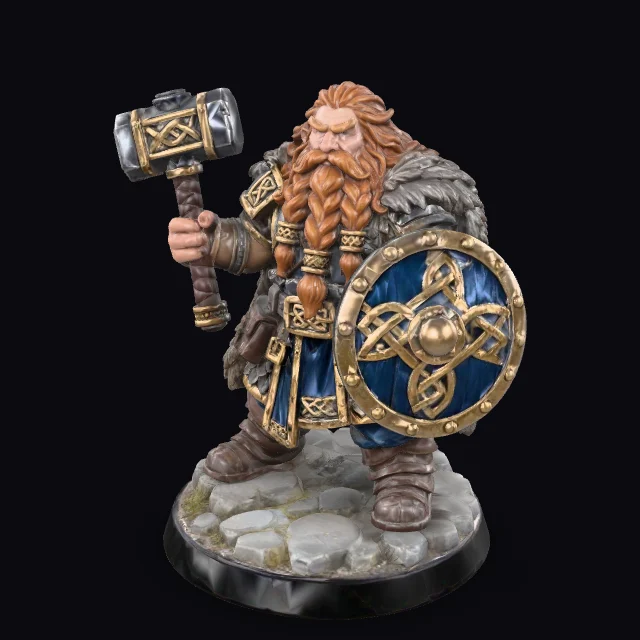
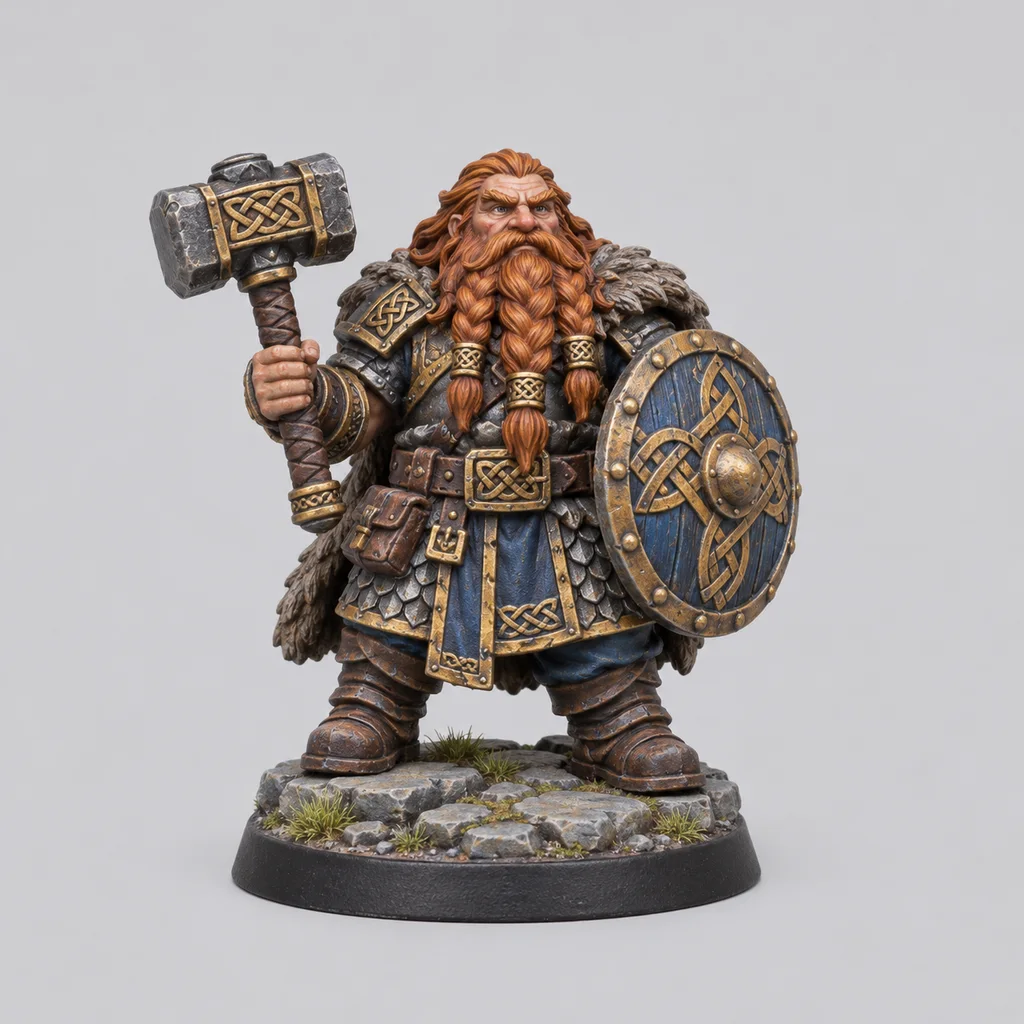
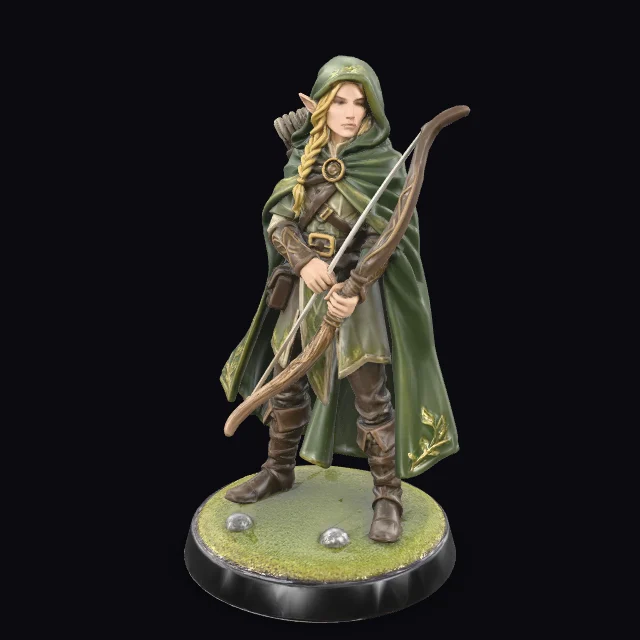
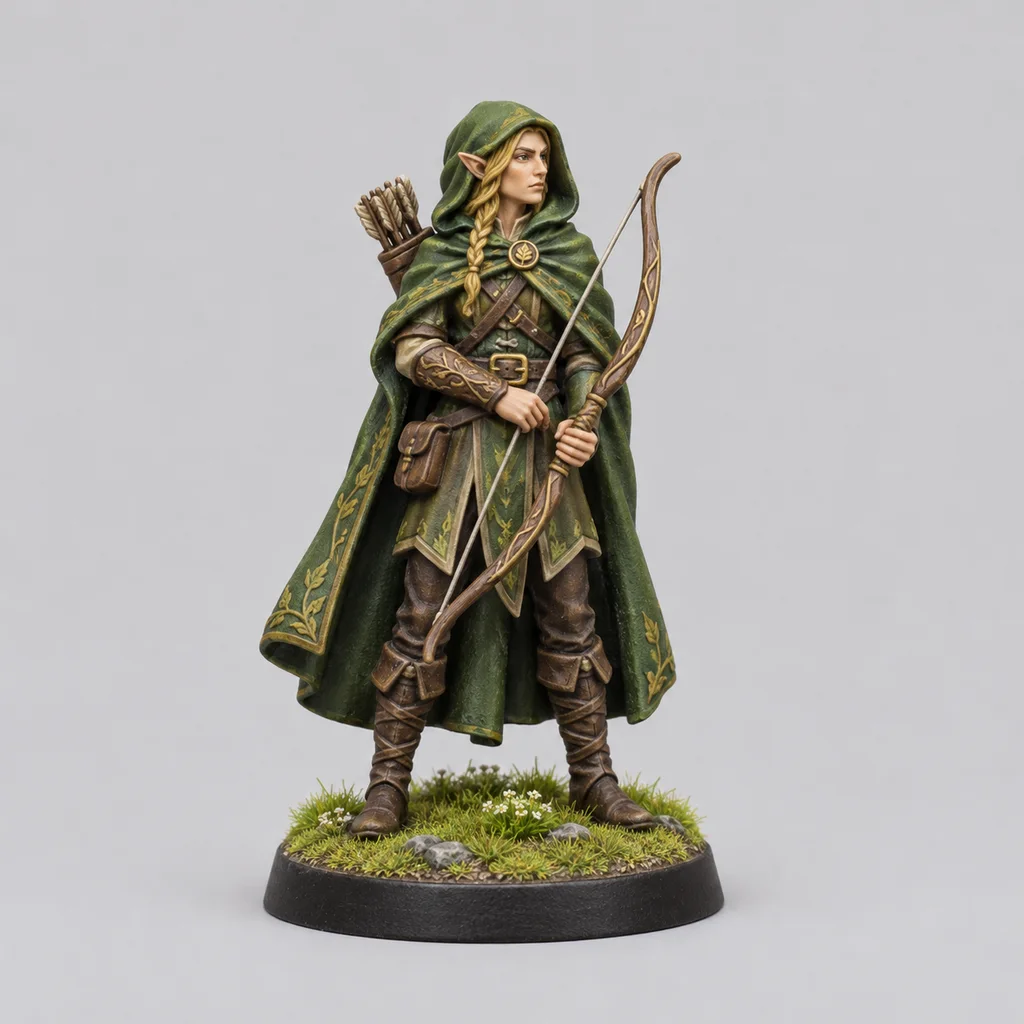
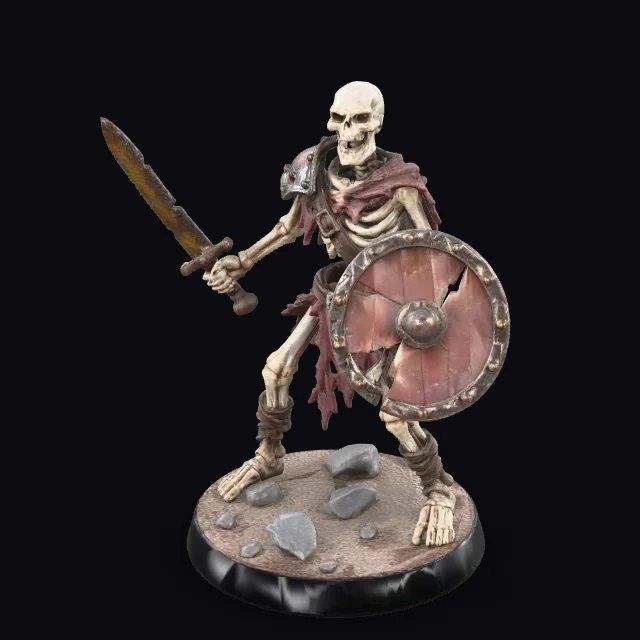
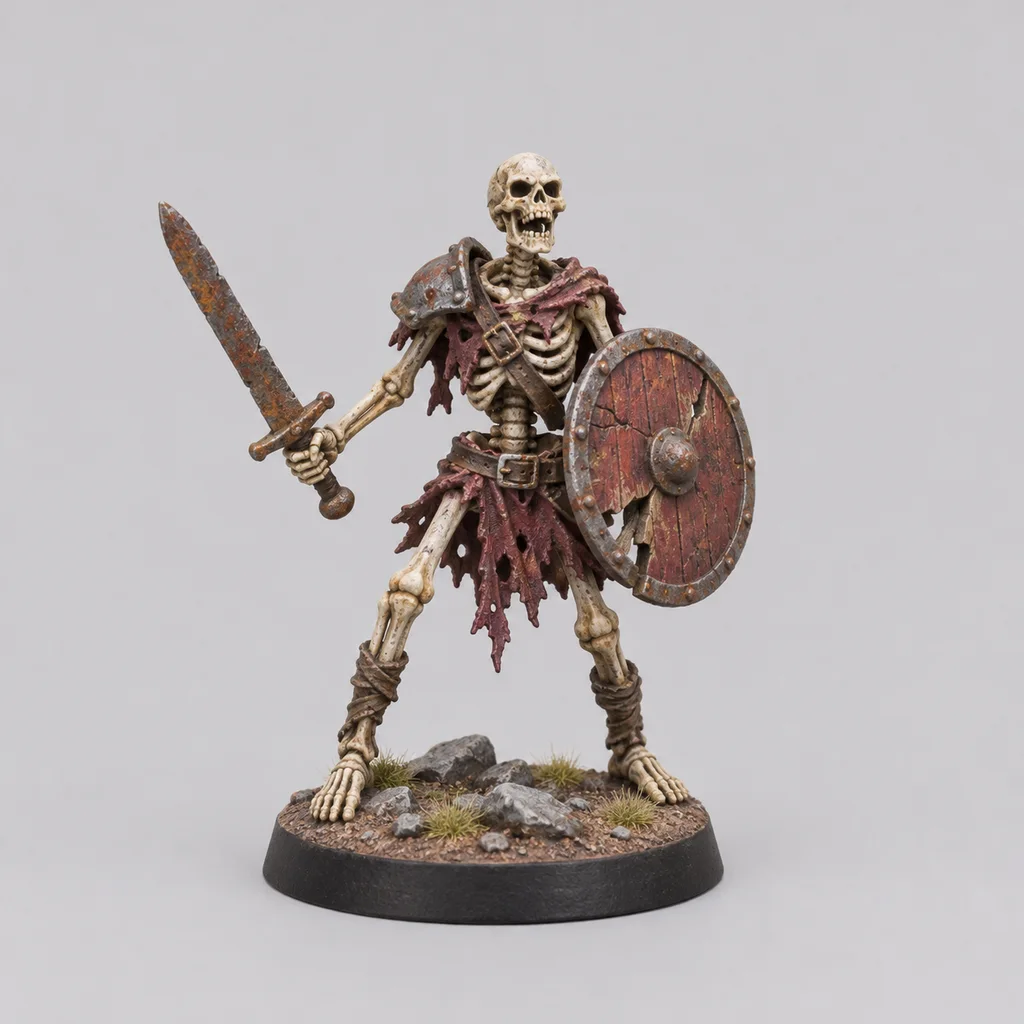
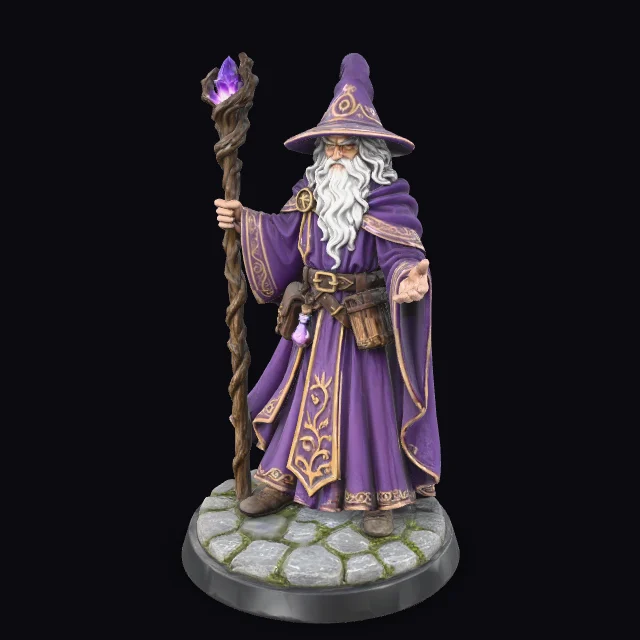
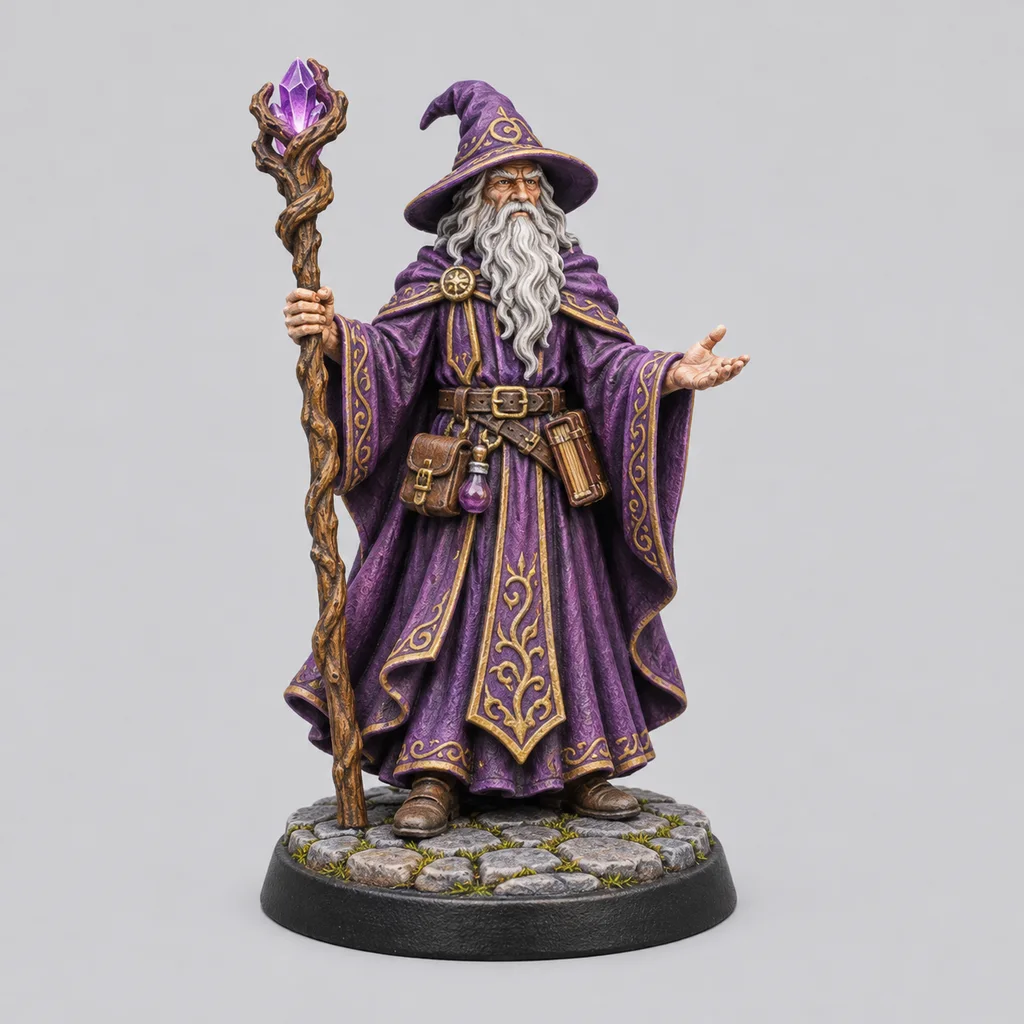
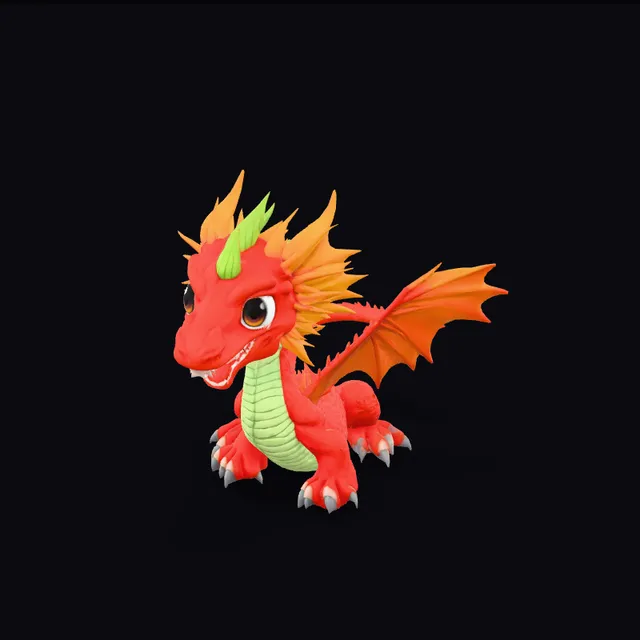
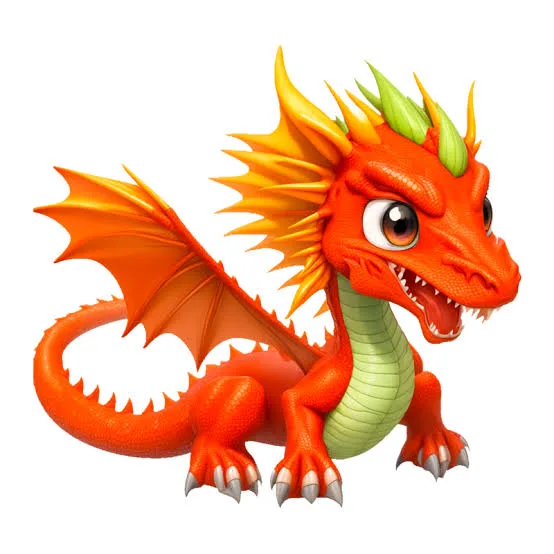
Miniature scale is measured roughly from the feet to the eyes of a human-sized figure, so the full height runs a little taller. Tell the agent the height you want and the STL comes out at that size.
| Scale or creature size | Human figure height | Typical base |
|---|---|---|
| 28 mm (heroic) | About 30–32 mm to the top of the head | 25 mm round |
| 32 mm | About 34–36 mm | 25 or 32 mm round |
| 54 mm (display) | About 60 mm | 40 mm round or a scenic plinth |
| Small or Medium creature on a 1-inch grid | Fits one square | 25 mm (1 inch) |
| Large creature | Fills 2 × 2 squares | 50 mm (2 inch) |
| Huge creature | Fills 3 × 3 squares | 75 mm (3 inch) |
Match the height to the rest of your table. If your group plays with 32 mm minis, a 28 mm hero will look short next to them.
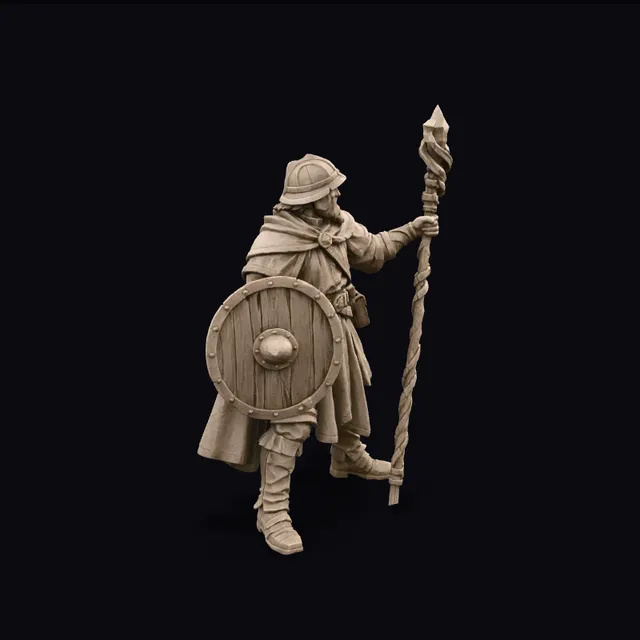
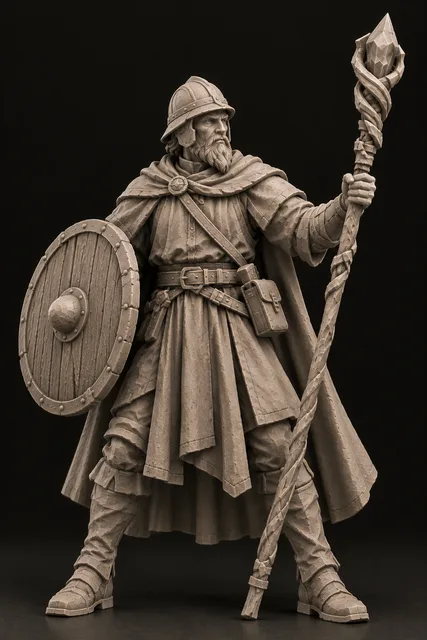
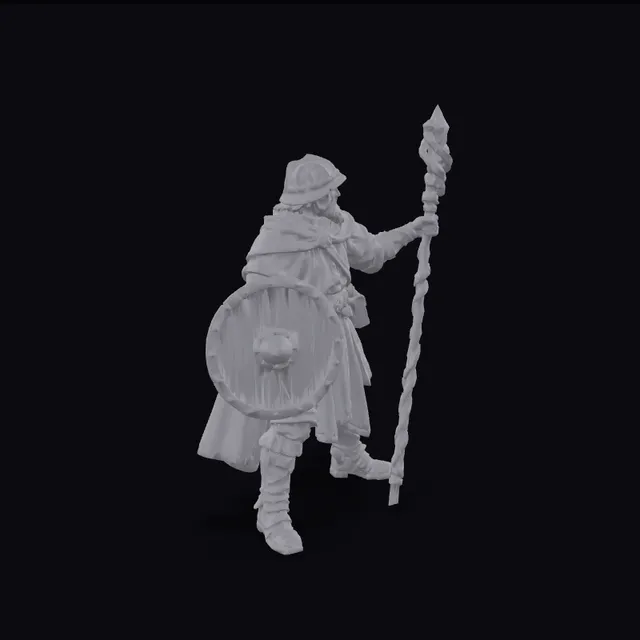
The print version is what your slicer sees: one grey solid with no textures, scaled to the height you asked for. The clay render here shows that view. Before you export, the print card tells you the exact width, depth and height in millimetres and whether the mesh is watertight. If it isn't, accept the slicer's automatic repair on import.
Resin is the natural choice at 28 mm. Layers of 0.03 to 0.05 mm keep faces, buckles and hair readable. Tilt the mini 30 to 45 degrees, support it from the back and the base, wash and cure as usual. A mini this small can be printed solid.
FDM works for chunky designs. Use a 0.2 mm nozzle if you have one, 0.08 to 0.12 mm layers, slow outer walls and tree supports. Detail below about 1 mm will blur, so pick thick weapons and broad shapes, or print at 40 mm and up.
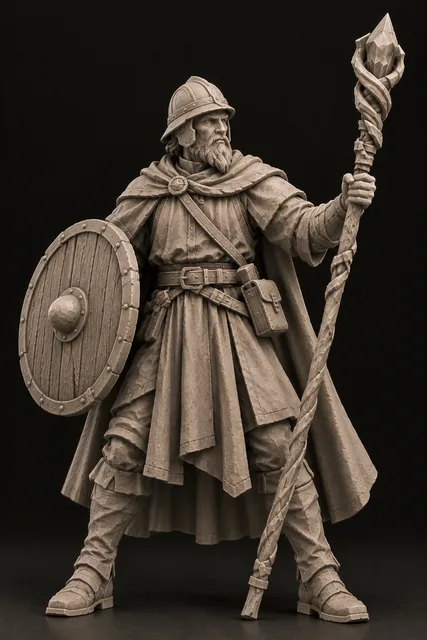
The miniature generator fills in the back and sides from what it can see, so the front view decides most of the result.
Do
Avoid
A shop-bought mini is close to your character. A mini from the miniature generator is your character.
Use the art from your character sheet, a commission or a sketch. A custom DnD miniature of the hero you actually play, not the nearest stock sculpt.
The colour model stays in your account. Keep it open on a screen while you paint the grey print, and match the cloak, skin and metal.
Need the same hero at 28 mm for the table and 54 mm for the shelf? Ask for a second print version. Resizing costs 0 credits.
A mini from art is 3 credits, about 15 cents on Starter, so a goblin squad or a full party fits easily in one month's credits.
Expect a sculpted figure that reads well at arm's length, not a studio master. The front matches your art closely. The back is predicted, so a cape or quiver can come out simpler than you pictured. Run it again or describe the back when that matters.
Thin parts are the usual weak point. A sword thinner than about 1 mm at 28 mm scale breaks on resin and vanishes on FDM. Ask the agent for a thicker blade, or print larger.
Bases are not added to a standard size by themselves. Either ask for a sculpted round base in your description, or glue the figure onto a stock 25 mm base. This DnD miniature maker also doesn't split models into parts or add magnet holes; that is still slicer and hobby-knife work.
For a figurine of a real person or pet rather than a game hero, see figurine from photo. To start from a pencil drawing, sketch to 3D covers that input.
You can start free. A new account gets 3 credits with no card, which is exactly one textured mini, and you can download it as GLB on any plan. Exporting STL or 3MF for printing needs a paid plan. Starter is $19 a month for 400 credits, about 130 minis from art, and the first month costs $9.
Yes, that is the main use. Upload the art of one character, full body, on a plain background. The agent builds a textured 3D model from it in most cases within 4–7 minutes, then a print version at the height you ask for. Use art you made or have the rights to.
Most tables use 28 mm or 32 mm. For a human-sized hero, ask for about 30–32 mm tall at 28 mm scale, or about 35 mm at 32 mm scale. Medium and Small creatures stand on 25 mm bases, Large on 50 mm and Huge on 75 mm. The agent exports the STL at exactly the height you name.
Yes, for chunky designs. Use a 0.2 mm nozzle if you have one, layers of 0.08 to 0.12 mm and tree supports. Faces and thin weapons soften at 28 mm, so pick broad shapes or print at 40 mm and up. For fine detail at tabletop scale, a resin printer is still the better tool.
Most textured models are ready in 4–7 minutes. Starting from a description adds a concept image first, which takes a moment and costs 2 credits. The print version that sets the height and repairs the mesh is a quick, free job, and the STL export takes a few seconds in your browser.
Only if you ask. Write "standing on a round base" or describe a scenic base, such as cobblestones or grass, and it is sculpted as part of the model. It won't be sized to an exact 25 mm on its own, so check the print card's width. Many players simply glue the figure onto a stock base instead.
On a paid plan, yes. Starter and Pro both include a commercial licence for the models you make, so you can sell prints or files of your own designs. The licence doesn't cover someone else's artwork or a trademarked character, so build from art you created, commissioned or have permission to use.
A long, thin weapon held away from the body is hard to predict from one image and hard to print at 28 mm. Ask the agent to rerun it with the weapon held close to the body and a thicker blade, or print the figure larger. On resin, add a few supports under the tip of the weapon.
Upload your character art to the miniature generator and get the first textured mini free. Printing it needs Starter, $9 for the first month.
Upload character art