A keepsake of a living pet
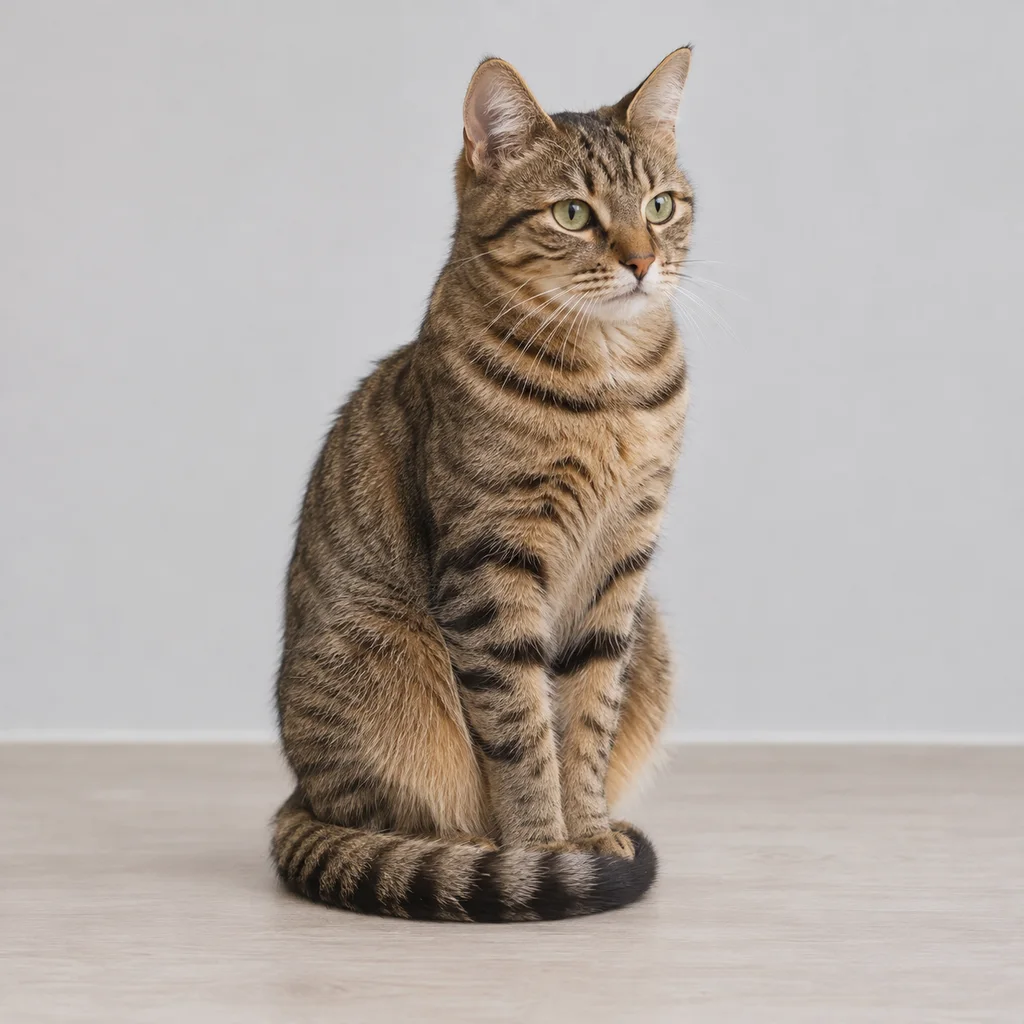
You have hundreds of photos, so you can pick the perfect one: sitting, side-on to the camera, the whole tail in frame. This is the easiest case and the best place to learn the route before a harder job.
Use case · Pets
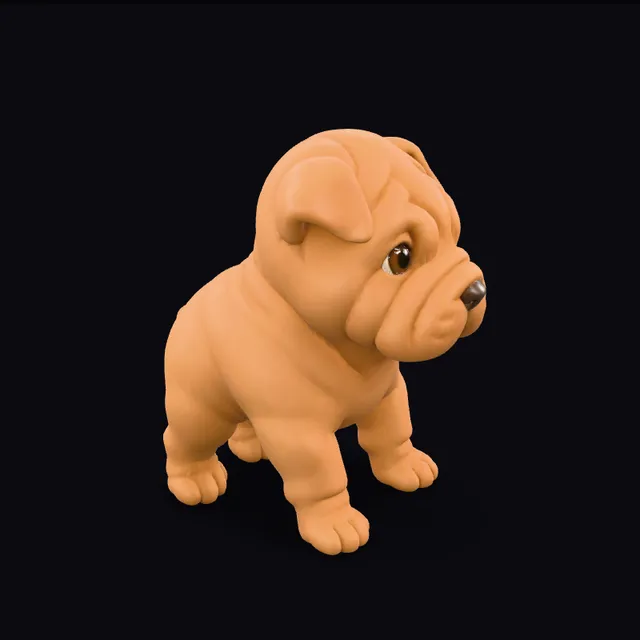
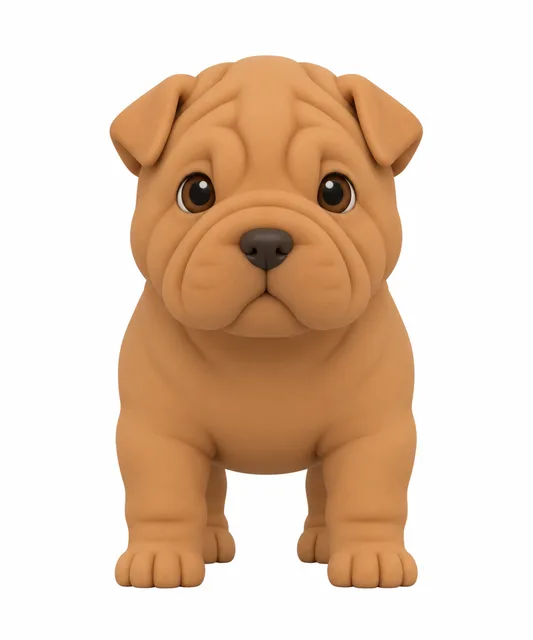
3 free credits on sign-up — enough for one textured model. No card.
Pick one clear photo of your dog, cat or rabbit. The agent sculpts a full-colour 3D model in 4–7 minutes for 3 credits, then a print version for free. The first model is free; STL export needs a paid plan.
3 At a glance
A pet figurine is rarely a hobby project. It is usually for someone, and that changes the photo you choose and how far you take the paint.
You have hundreds of photos, so you can pick the perfect one: sitting, side-on to the camera, the whole tail in frame. This is the easiest case and the best place to learn the route before a harder job.
Here you only have the photos you have. The figure often matters more than any print you have made, so take your time choosing the source and painting the markings. The memorial section below covers old and imperfect pictures.
Makers take orders from customers' photos and print, paint and post the figures. The credit cost is about 14 cents a pet on Starter, so your time and paint set the price. Paid plans include a commercial licence.
Four steps at the computer, then the printer. The general route is the same as any figurine from a photo; these notes are the parts that change for animals.
Scroll your camera roll for one where the whole animal is sharp, the light is soft, and the pose is calm. Upload it in the box on this page or at /app.
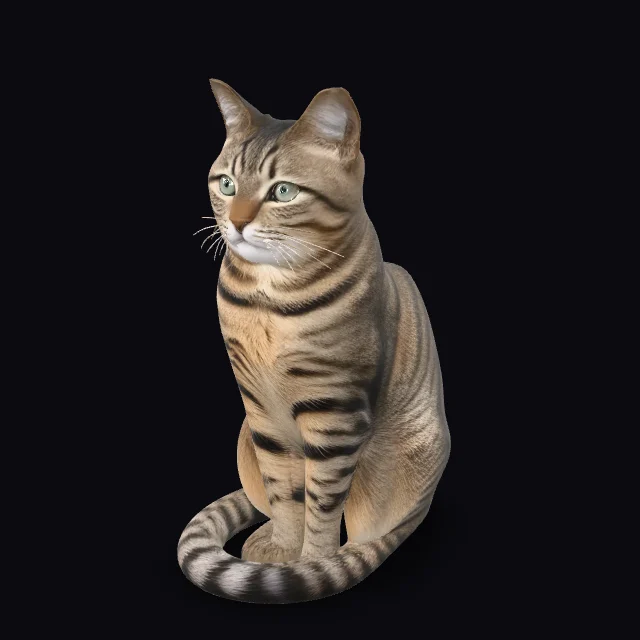
The textured model arrives in 4–7 minutes for 3 credits. Orbit it: ears, tail and paws first, then whether the markings landed in the right places.
Type "make this printable at 9 cm". The agent remeshes it for free and strips the textures, which a home printer can't use anyway.
Download STL or 3MF, preview it in the free STL viewer, add a name plate with your slicer's text tool if you want one, and print.
Each model came from a single photo through the same pipeline you use. Turn them round and look at the sides the photo never showed.
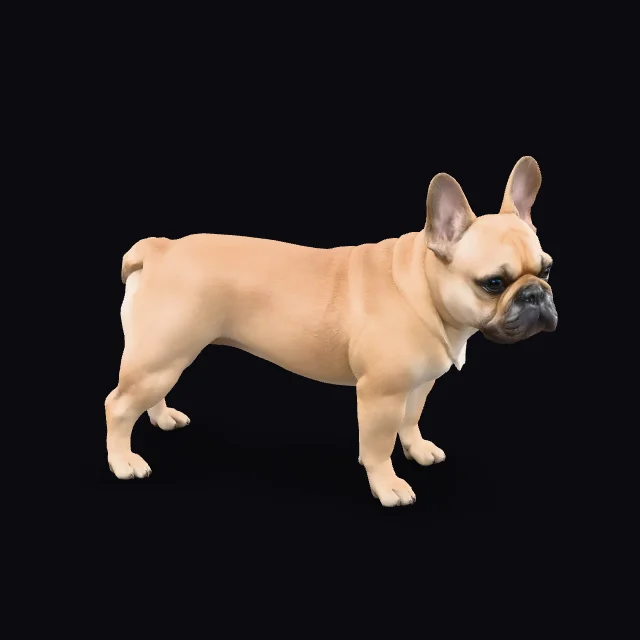
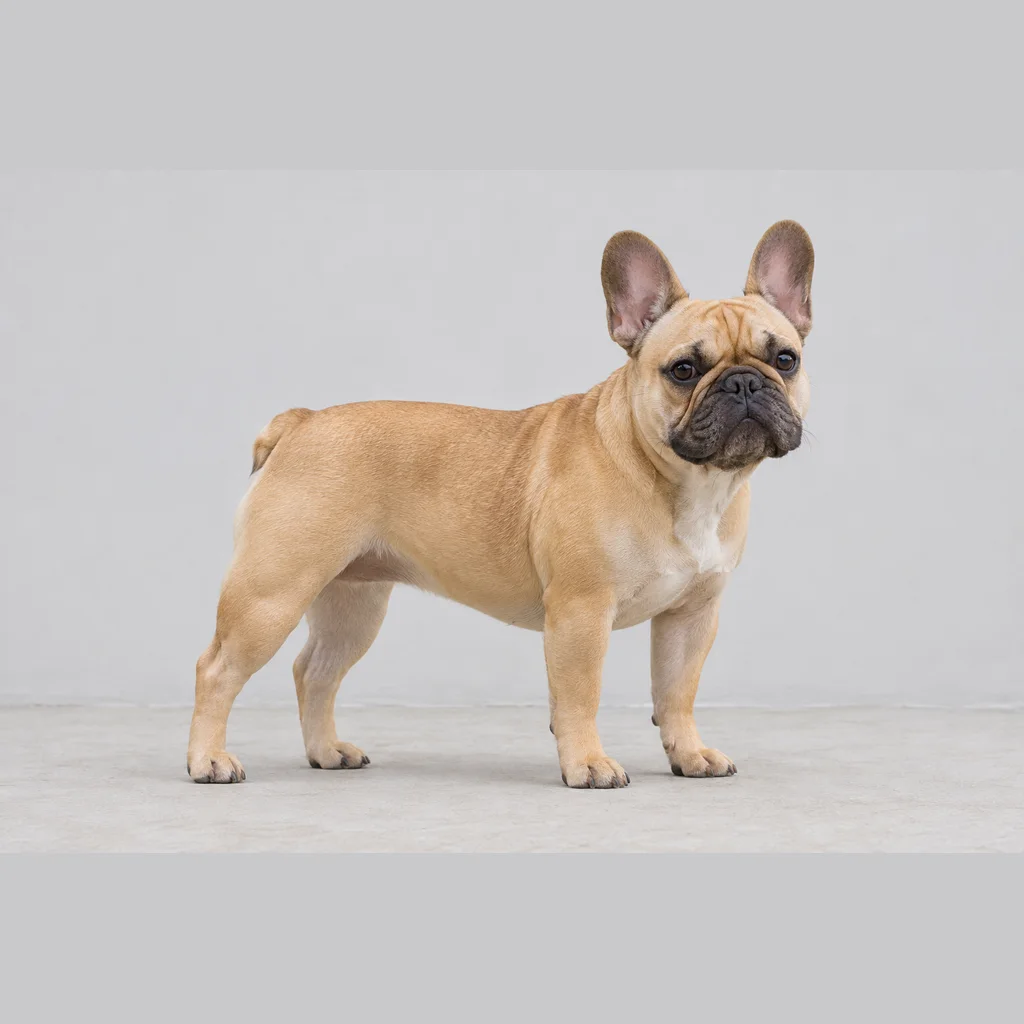
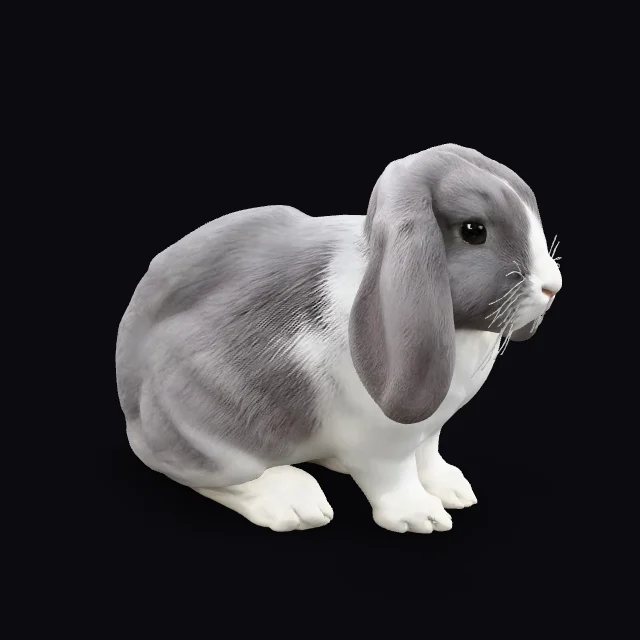
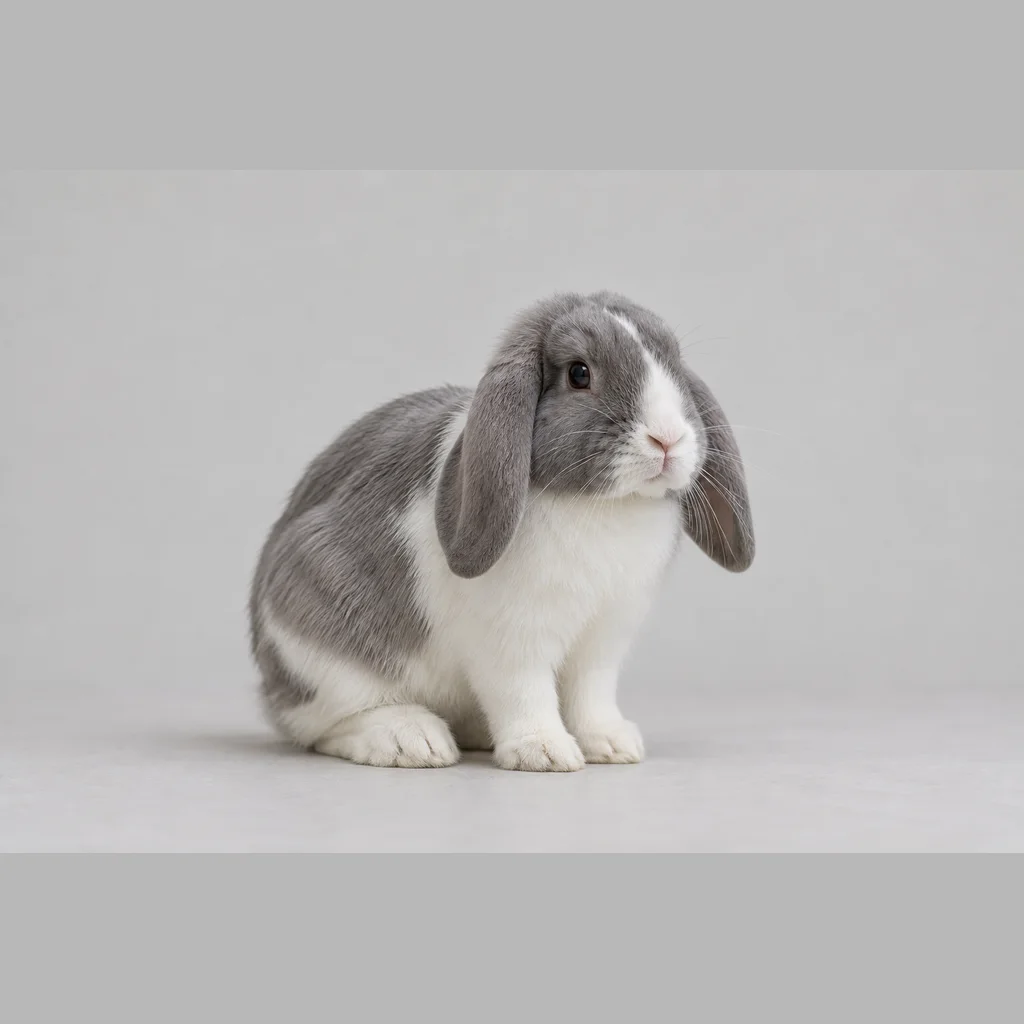
Animals don't hold poses, so you are choosing from what you have rather than staging a shoot. These are the things to look for.
Do
Avoid
A pet memorial figurine often has to come from a photo that wasn't taken for this. That is fine if you know what the agent can and can't recover.
A small or blurry photo still gives the overall shape and colours, but fine detail like whisker spots or a nick in an ear may not survive. Pick the sharpest photo you have, even if the pose isn't the one you love, and crop it so the animal fills most of the frame without cutting anything off.
If your best photo is from above or half hidden, try two or three candidates. Each costs 3 credits, and the one that looks most like your pet from the side is the one to print. Paint is where the likeness really comes back: copy the markings from the original photos, not from the model.
Different animals fail in different places. Plan the size and supports around the weak part.
| Animal | Best pose | Weak part | Size to start at |
|---|---|---|---|
| Dog, short coat | Sitting or standing side-on | Thin legs when standing | 8–10 cm |
| Dog, long or fluffy coat | Lying down | Coat outline blurs into blobs | 10–12 cm |
| Cat | Sitting, tail round the paws | A tail sticking out | 8 cm |
| Rabbit | Sitting, ears down or close | Upright ears | 7–9 cm |
| Bird | Perched upright | Thin feet and beak | 8 cm, with a base |
| Lizard or snake | Coiled or flat | Long thin tail or toes | 10 cm long |
Sizes are for FDM on a 0.4 mm nozzle. Resin can go 30–40% smaller and keep the same detail.
A home printer prints the shape in one colour, so the coat is a paint job. This is where a pet figurine stops looking like a generic animal and starts looking like yours.
Keep the colour model open next to you. It shows where each patch sits from angles your photo never captured.
A model costs 3 credits. On Starter ($19 a month for 400 credits, about 130 models) that is about 14 cents per pet, and about 7 cents in the $9 first month. Pro is $29 for 600 credits. Remeshing for print is free, and a failed job refunds itself. See pricing.
New accounts get 3 free credits, enough for one textured model with no card. It downloads free as GLB, so you can check the likeness from every side before paying. Printing needs STL or 3MF, which come with a paid plan.
At home, a 9 cm pet uses about 20 to 30 g of PLA, well under a dollar, plus your paint. If you'd rather order a resin print, the image to STL page covers the export a print service expects.
Upload one sharp photo of your pet to the agent and wait 4–7 minutes for a textured model. Ask for the print version, which is free, then export STL or 3MF on a paid plan. Open it in Bambu Studio, PrusaSlicer, OrcaSlicer, Cura or Lychee, print it in a light colour and paint the coat.
The model costs 3 credits, about 14 cents on the Starter plan, which is $19 a month for 400 credits and $9 for the first month. A new account's 3 free credits cover one model as a GLB. Printing it at home adds well under a dollar of PLA for a 9 cm figure, plus paint.
Its build, pose and colours usually match well from the front. The sides and back are predicted, so a unique marking on the far side may be missing or wrong. Choose a sharp, side-on photo, try a second photo if the first misses, and paint the markings from your real photos for the closest likeness.
Yes. Use the sharpest photo you can find, even if the pose isn't your favourite, and crop it so the animal fills the frame without cutting off ears, paws or tail. Blurry photos keep the shape and colours but lose small details. Try two or three photos and print the model that looks most like your pet.
On an FDM printer, 8 to 10 cm for a sitting cat or dog keeps the face readable and prints in about 2 to 4 hours. Fluffy dogs look better at 10 to 12 cm. On a resin printer you can go 30 to 40 percent smaller. Tell the agent the size when you ask for the print version.
Not from the print file. STL and 3MF carry the shape only, so a home printer prints one filament colour and you paint the coat. The colour model stays available as GLB, and on paid plans as OBJ, so you can keep it on screen as a painting reference while you work.
The 3D model is usually ready in 4–7 minutes, and the print version takes another short wait at no cost. Printing a 9 cm pet on a typical FDM printer takes about 2 to 4 hours. Sanding, priming and painting the coat adds an evening, depending on how detailed the markings are.
Yes. Paid plans include a commercial licence for the models you generate, so you can print and sell figures made from customers' photos. Ask the owner to send the photo themselves so you have their permission. At about 14 cents of credits per pet on Starter, paint and print time decide your price.
Upload the best photo of your dog, cat or rabbit. The first model is free, and the print version costs nothing extra.
Upload your pet's photo