Mood renders
Place a handful of real pieces in a simple Blender room and light it. The client sees their actual sofa next to the chair you found, not a stock substitute.
Use case · Interiors
3 free credits on sign-up — enough for one textured model. No card.
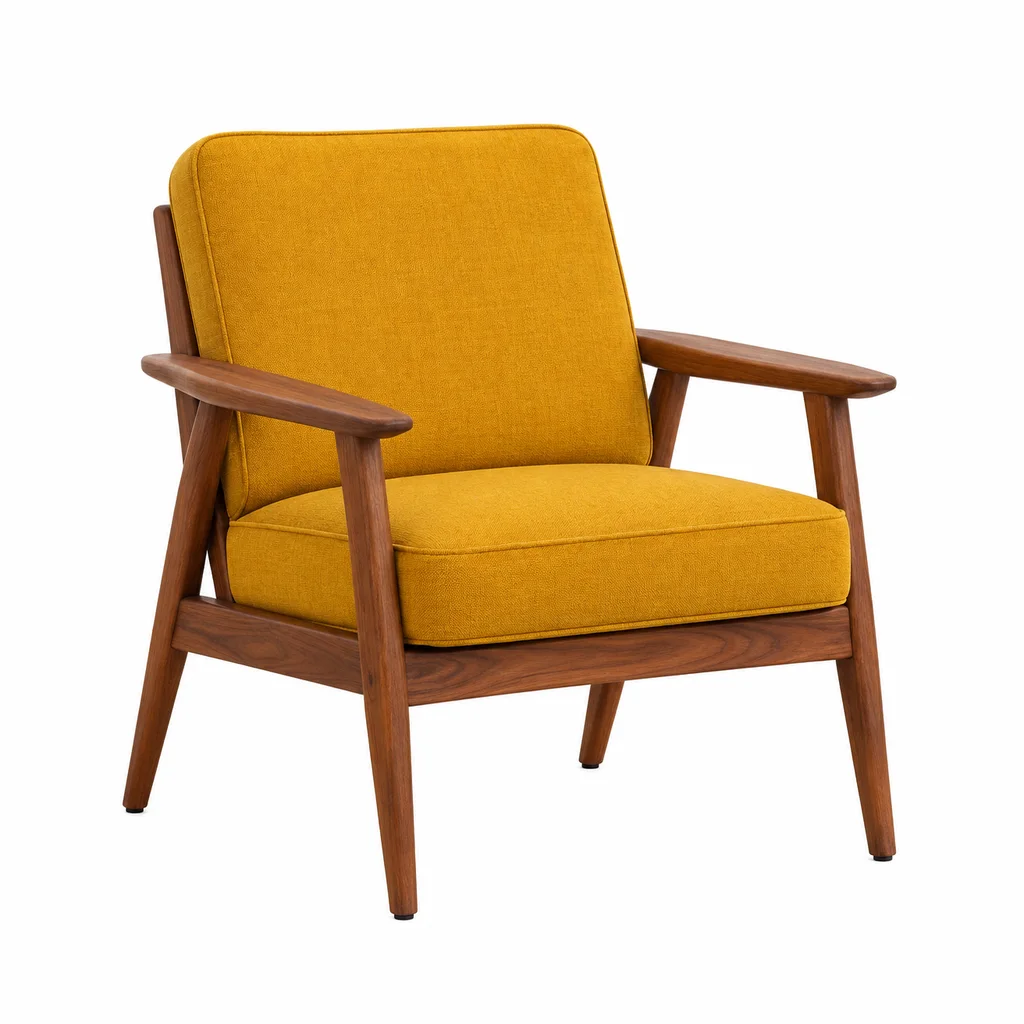
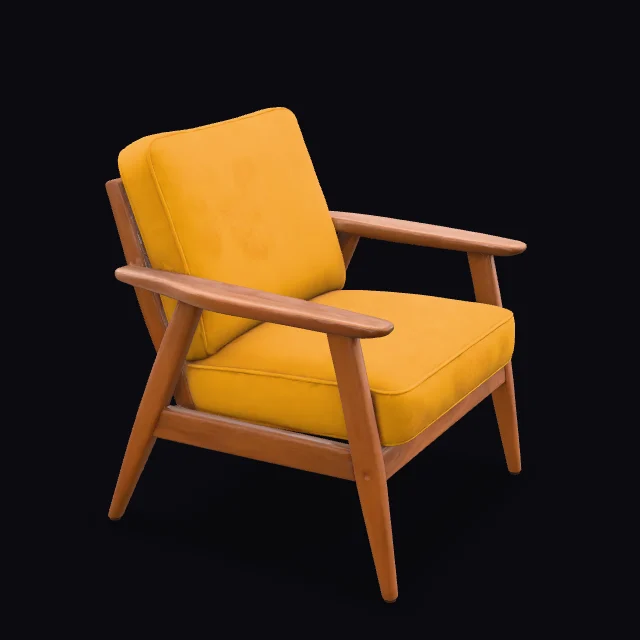
Upload one photo of a chair, lamp, table or sofa. The agent builds a textured interior design 3D model in 4–7 minutes for 3 credits. GLB is free on every plan; USDZ for iPhone AR comes with a paid plan.
3 At a glance
Most of the furniture you want in a scheme has no 3D file. The vintage armchair from a dealer, the lamp from a small studio, the client's own sideboard: you have a photo, and that's it. Modelling each one by hand takes hours.
Snapshapy turns that photo into an interior design 3D model in minutes. It comes textured, with the wood grain, fabric colour and metal finish taken from the picture, so it drops into a mood render or a phone AR view without extra work.
The result is a believable stand-in, not a manufacturer's file. It shows the right shape and look; it doesn't know the real dimensions, the joinery or the exact fabric. For a room scheme, a client conversation or a product page, that is usually all you need.
Four steps in the box on this page or at /app. Measuring takes longer than the model.
A three-quarter view on a plain background is ideal, the kind a shop uses for its main image. The whole piece in frame, legs included.
3 credits, most ready in 4–7 minutes. Orbit it and check the back and the legs, the parts a product photo hides.
For AR or a web page, ask for a lower triangle count, such as "remesh to 30,000 triangles". It's free.
GLB on every plan; USDZ, OBJ, STL and 3MF on paid plans. Scale it to the product's listed width, depth and height in Blender or your scene.
Every piece here came from a single product-style photo through the same pipeline you use.
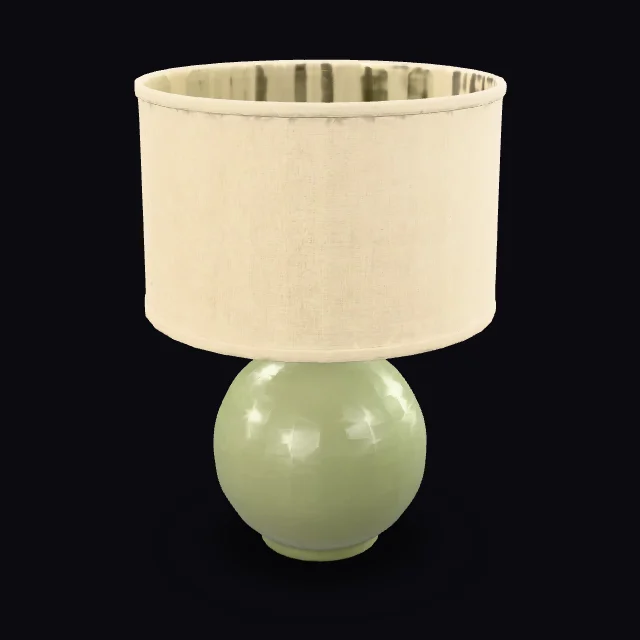
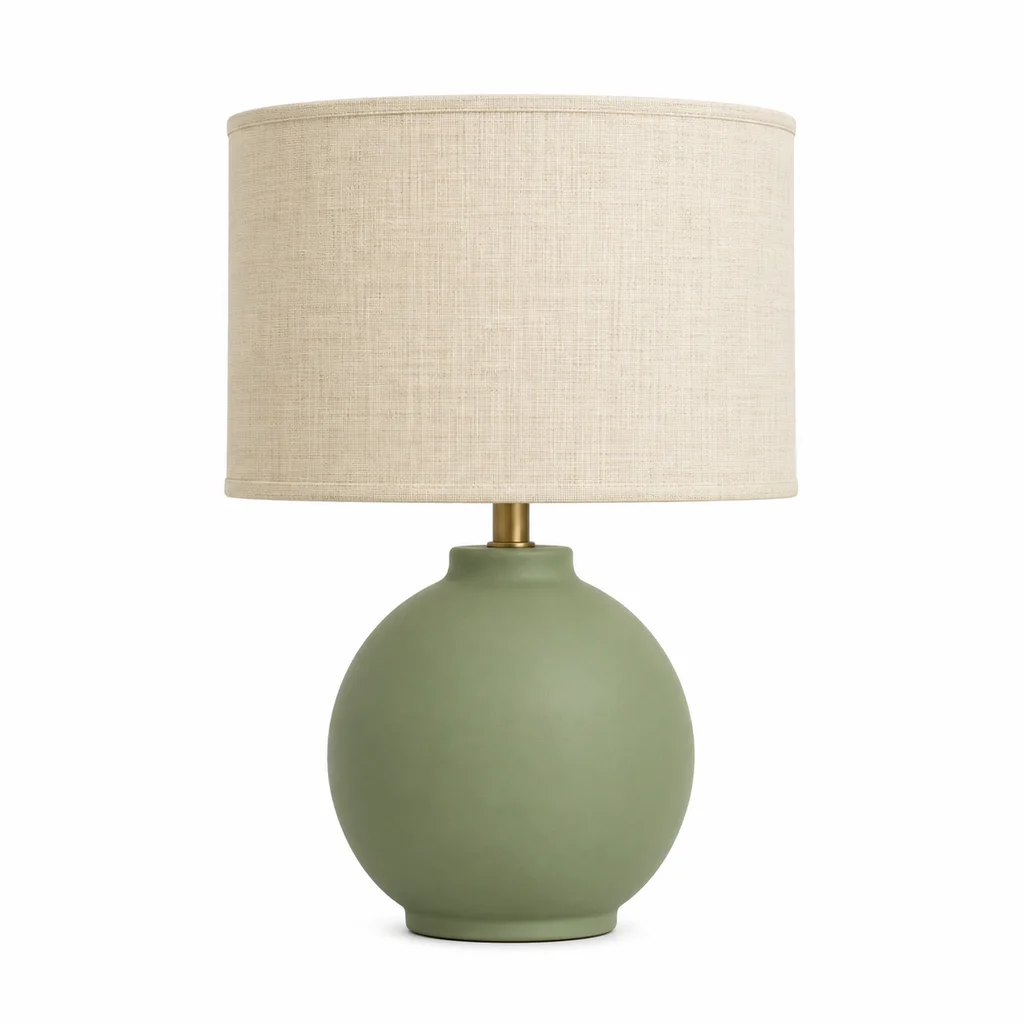
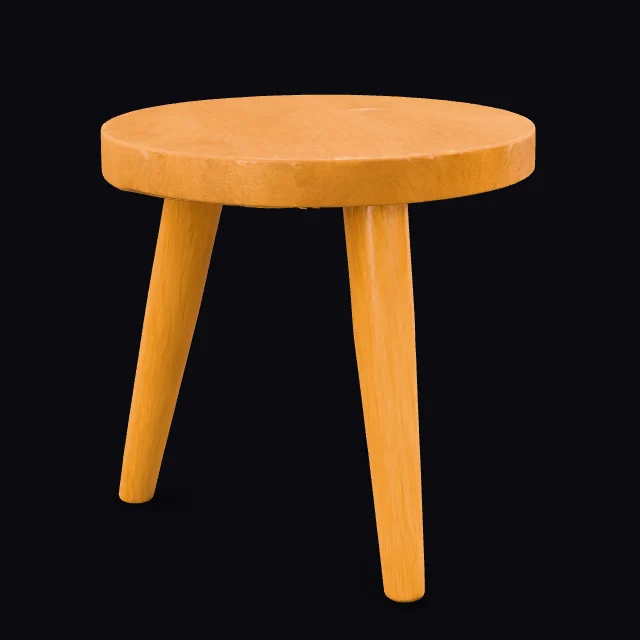
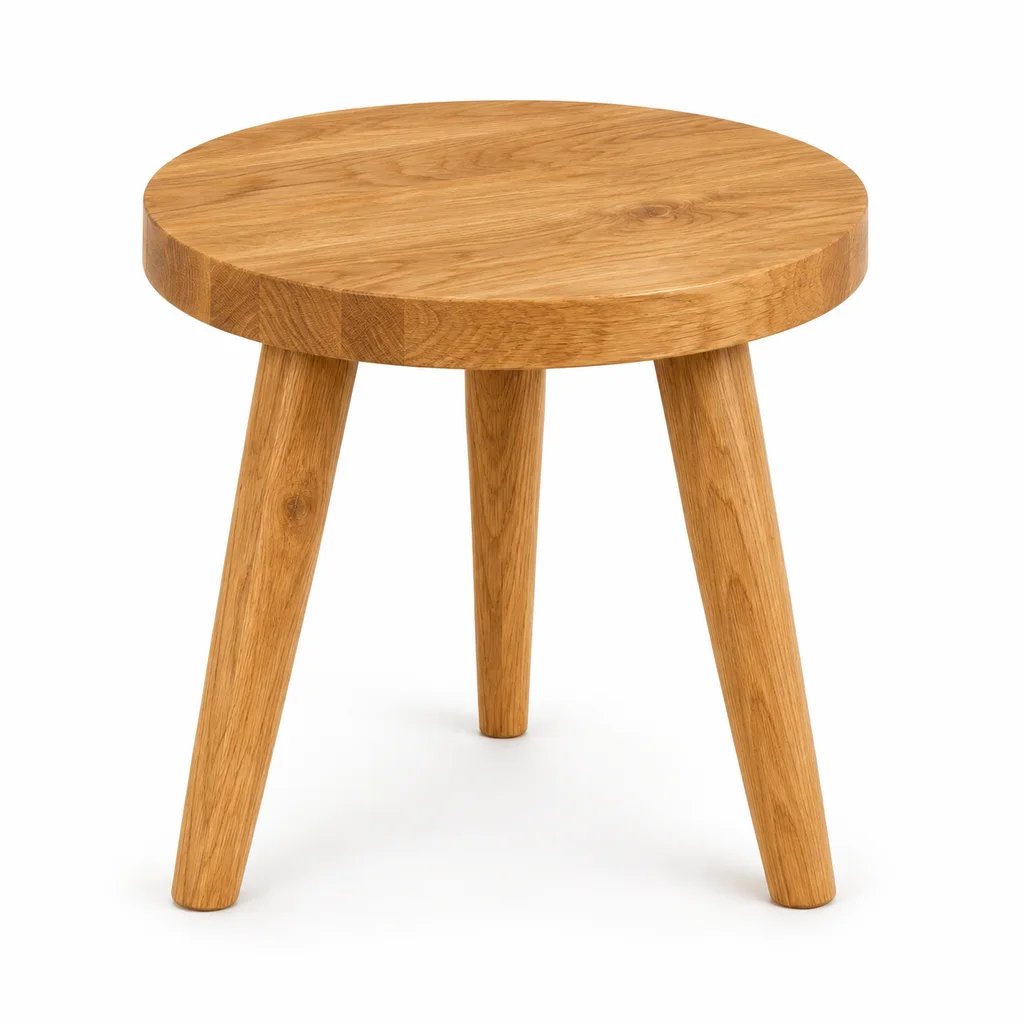
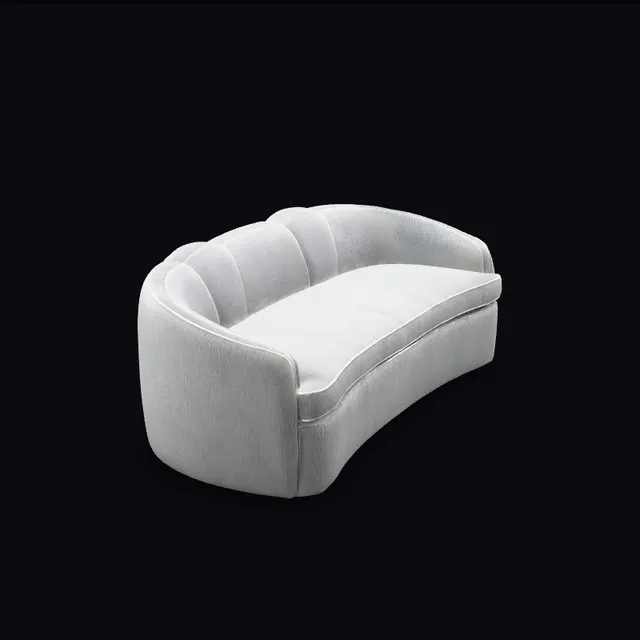
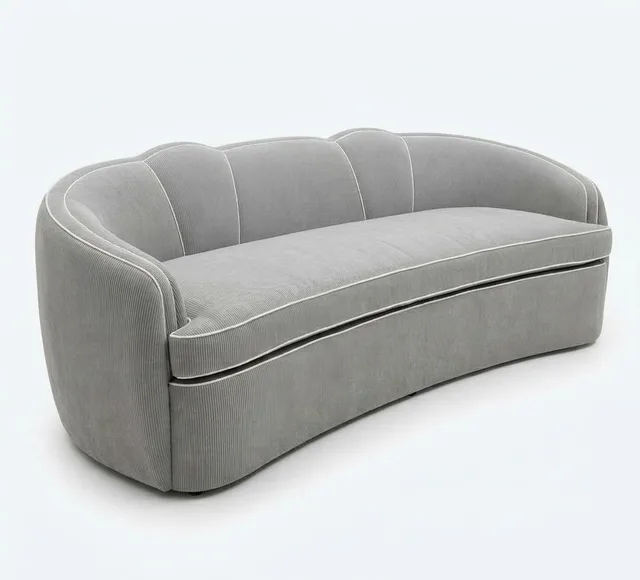


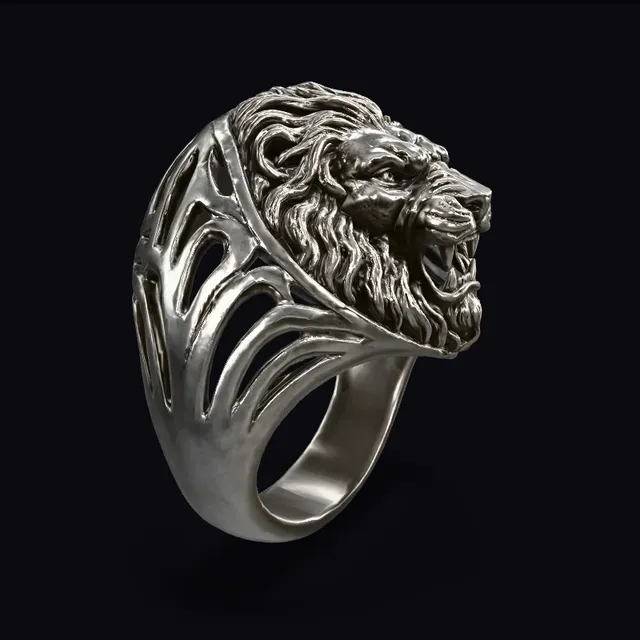
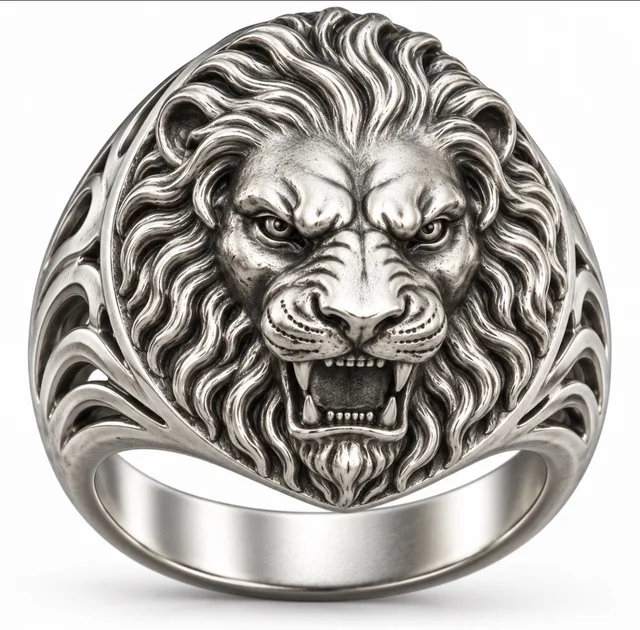
Designers, stagers and furniture sellers use the same file for different ends.
Place a handful of real pieces in a simple Blender room and light it. The client sees their actual sofa next to the chair you found, not a stock substitute.
Send a USDZ to an iPhone, or a GLB to Android, and the piece stands on their floor at full size, as long as you set the size first.
Small furniture sellers show each item in 3D on the page without a scanning studio. The AR models page covers the files a website needs.
Print the piece at 1:12 or 1:24. Ask for the print version, which is free, and export STL on a paid plan.
A model from a photo has no idea how big the real piece is. If you send it to a phone as it arrives, the armchair may stand knee-high or fill the room.
The fix takes two minutes. Find the listed width, depth and height of the product, open the model in Blender, and scale it so its bounding box matches. Check the result in the free USDZ viewer or GLTF viewer, which show the bounding box in centimetres or inches.
GLB uses metres, so a 90 cm armchair should measure 0.9 on its widest side. Export again after scaling and the piece lands at true size in AR.
Furniture varies a lot in how well it survives the trip from one photo to 3D. Rough guide by type:
| Piece | How it usually comes out | Watch for |
|---|---|---|
| Upholstered sofa or armchair | Very good | Seams and buttons become texture, not shape |
| Solid wood table or sideboard | Good | Back and inner faces are predicted |
| Ceramic or stone lamp, vase | Very good | Shades come out solid |
| Chair with thin legs or spindles | Mixed | Thin parts thicken or merge |
| Glass, mirror, chrome | Weak | Reflections are baked into the texture |
| Open shelving, wire, rattan weave | Weak | Gaps fill in; weave turns to a pattern |
Everything comes out as one closed, textured object. Doors and drawers don't open, and cushions are not separate parts.
A good product photo is already most of the way there. These details make the difference.
Do
Avoid
A model costs 3 credits: about 14 cents on Starter ($19 a month for 400 credits, about 130 models), and about 7 cents in the $9 first month. A room of eight pieces is 24 credits, a little over a dollar. Pro is $29 for 600 credits. Remeshing is free and failed jobs refund themselves. See pricing.
New accounts get 3 free credits with no card, one piece as a GLB.
The limits: one object per model, no whole rooms, no real dimensions, no moving parts, no layered materials for glass or chrome. For walls, floors and the room itself, use your usual design tools and bring the furniture in from here. For buildings and exteriors, see 3D architecture models; for any other object, image to 3D.
Yes. Upload one photo of a chair, sofa, lamp or table and the agent builds a textured 3D model in 4–7 minutes for 3 credits. A three-quarter product shot on a plain background works best. The back is predicted from the visible sides, and the model has no real dimensions until you scale it yourself.
Your first piece is. New accounts get 3 free credits with no card, enough for one textured model downloaded as GLB, which is free on every plan. USDZ for iPhone AR, OBJ, STL and 3MF come with a paid plan. Starter costs $9 for the first month, then $19 for 400 credits.
No, not on its own. A photo carries no measurements, so the model arrives at an arbitrary size. Take the width, depth and height from the product listing, scale the model to match in Blender or your 3D app, and check the bounding box in a viewer before you send it to AR.
Make the model, scale it to the real dimensions, and export USDZ for an iPhone or GLB for Android. On an iPhone the USDZ opens in AR from Messages, Mail or Files with a tap. The client then places the sofa on their floor and walks around it at full size.
No. Each model is one object, so a room photo would come out as a single merged lump. Make each piece from its own photo, which is 3 credits a piece, and arrange them in Blender or your design tool. Walls, floors and windows are better built there directly.
Paid plans include a commercial licence for the models you generate. The photo and the design are a separate matter: use photos you took or have permission to use, and remember that some furniture designs are protected. Showing a client a piece they plan to buy is different from selling copies of it.
Anything see-through, shiny or full of gaps. Glass tables, mirrors and chrome come out with reflections painted into the texture. Rattan, wire chairs and open shelving lose their gaps. Very thin legs and spindles may thicken or merge. Solid upholstered pieces, wood and ceramics give the cleanest results.
Yes. Make the model, ask the agent for the print version, which is free, and export STL or 3MF on a paid plan. Scale it in your slicer: 1:12 makes a 90 cm armchair 7.5 cm wide. At 1:24 and smaller, thin legs are safer printed in resin.
Upload one picture of a chair, lamp or sofa. The first textured model is free, and remeshing it for AR costs nothing.
Upload a furniture photo