Short answer
How to make 3D figures: the short answer
If you want a figure of yourself this week and have a 3D printer or access to one, use AI from one photo: a model in minutes, then a print. If you want the closest possible likeness and can stand still for a minute, scan your body with many photos or at a scanning studio. If you want a piece of art with your own hand in it, sculpt it, in clay or digitally.
Ordering from a scanning studio or an artist is the most expensive route, and the one with the least work for you.
The rest of this guide covers how to make 3D figures each way, what each costs, and the printing step they all share.
Contents11 sections
Five routes to a 3D printed figurine of yourself
Typical figures for one standing figure about 12 cm tall. Likeness is how close the face and body come to the real person.
| Route | You need | Your time | Likeness | Skill |
|---|---|---|---|---|
| Sculpt in clay | Polymer clay, tools, an oven | Days | Depends on you | High |
| Digital sculpt | Blender or a sculpting app, a tablet helps | Days to weeks | Depends on you | High |
| Scan with many photos | 50+ photos and a photogrammetry app | 1–3 hours | High for body, fair for face | Medium |
| AI from one photo | One full-body photo | Minutes, plus printing | Good overall, face simplified | Low |
| Order from a studio or artist | Money and a visit or photos | An hour | High | None |
What each route is really like
The table hides the experience. Here is what each one asks of you.
Sculpting by hand
Build a wire armature, add polymer clay, sculpt and bake. Rewarding, slow and personal. Faces at this size are the hard part; many sculptors exaggerate features slightly so they read from a distance.
Digital sculpting
Start from a base mesh in Blender's Sculpt mode or a tablet app and work from reference photos. Undo makes it more forgiving than clay, and the result is a printable file. Expect a steep learning curve before a face looks like anyone.
Scanning
Someone walks round you taking 50 or more overlapping photos while you hold still, and a photogrammetry app rebuilds the mesh. Hair, glasses and dark clothes scan badly; moving even slightly blurs the result. Phone depth-scanning apps follow the same idea.
AI from one photo
Upload one full-body photo; a generator builds a textured model with your clothes, colours and pose. The back is inferred, and fine facial detail is simplified, but it is fast and needs no skill. See figurine from photo for the full walkthrough.
Ordering
Scanning studios photograph you in a rig of many cameras at once and post a full-colour print. Artists sculpt from your photos. Both cost more than any DIY route, and the result is excellent.
How to make 3D figures from one photo, step by step
The quickest route, from a phone photo to a painted figure. The model takes minutes; the printing and painting take an evening or two.
Take the right photo
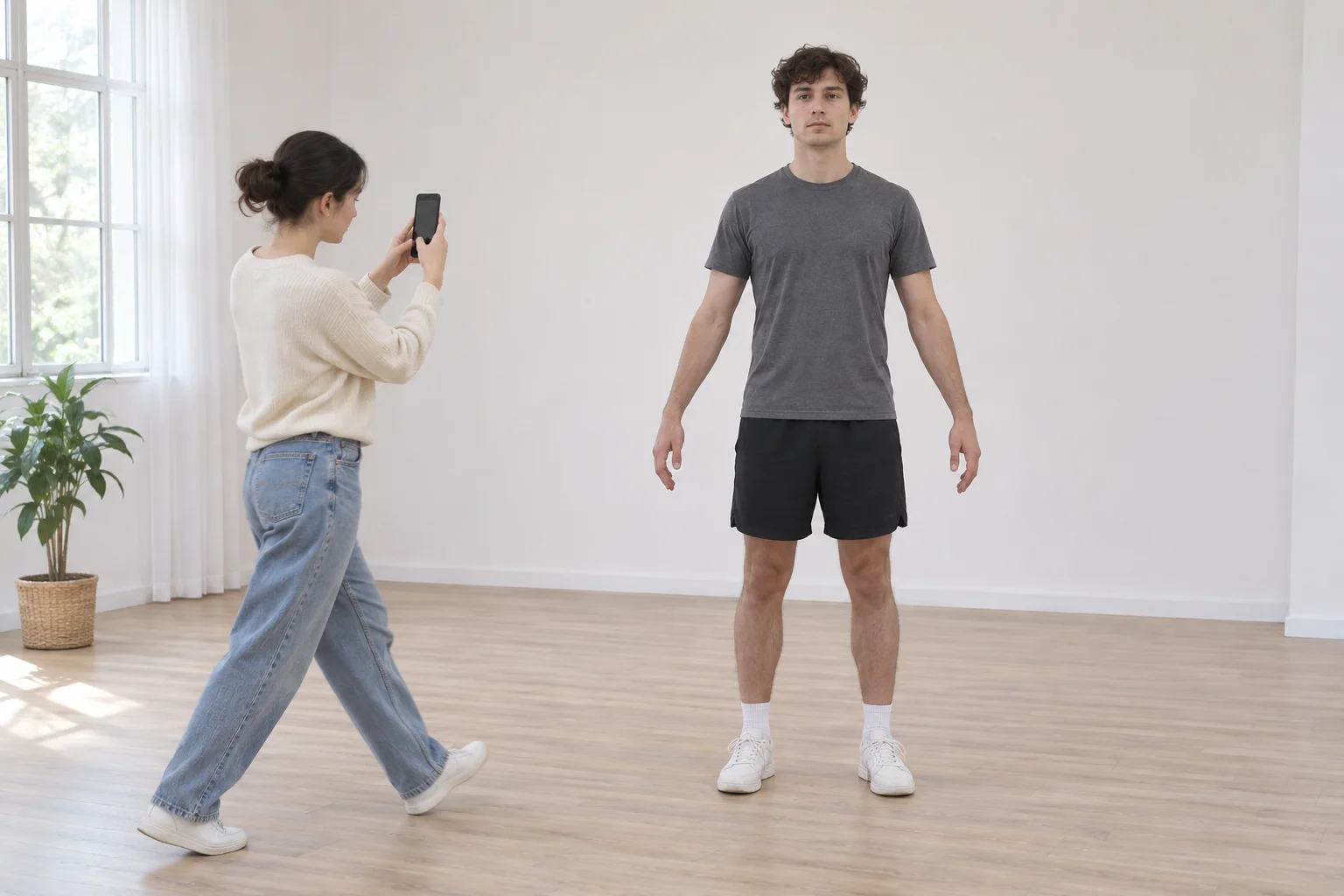
Full body, head to feet, standing straight with arms slightly away from the body, plain background, daylight. Wear clothes with clear shapes; a patterned shirt becomes a printed texture, not detail.
Make the model
Upload it to image to STL. The Snapshapy agent builds a textured model in 4–7 minutes for 3 credits. New accounts get 3 free credits, which covers exactly one.
Check and adjust
Turn it round. If the back of the hair or the shoes came out wrong, add a back-view photo in the same chat, or describe the fix and run it again.
Get the print file
Ask for a print version at your chosen height. Remeshing is free; STL and 3MF export need a paid plan, from Starter at $19 a month, $9 for the first month.
What scale and size should a figure of a person be?
Collectible figures use fixed scales. Here is what each means for a person 1.7 m tall, and what survives at that size.
| Scale | Height | Face detail | Good for |
|---|---|---|---|
| 1:6 | About 28 cm | Eyes, mouth, glasses all clear | A centrepiece, painted in detail |
| 1:10 | About 17 cm | Clear face, readable expression | Desk figure, gift |
| 1:12 | About 14 cm | Face reads well on resin, fair on FDM | Shelf figure, display case |
| 1:20 | About 8.5 cm | Simplified; hair and clothes carry it | Cake topper, small gift |
| Tabletop, 28–32 mm | About 3 cm | Very simplified; resin only | A game miniature of yourself |
What makes a 3D printed figurine of yourself look like you
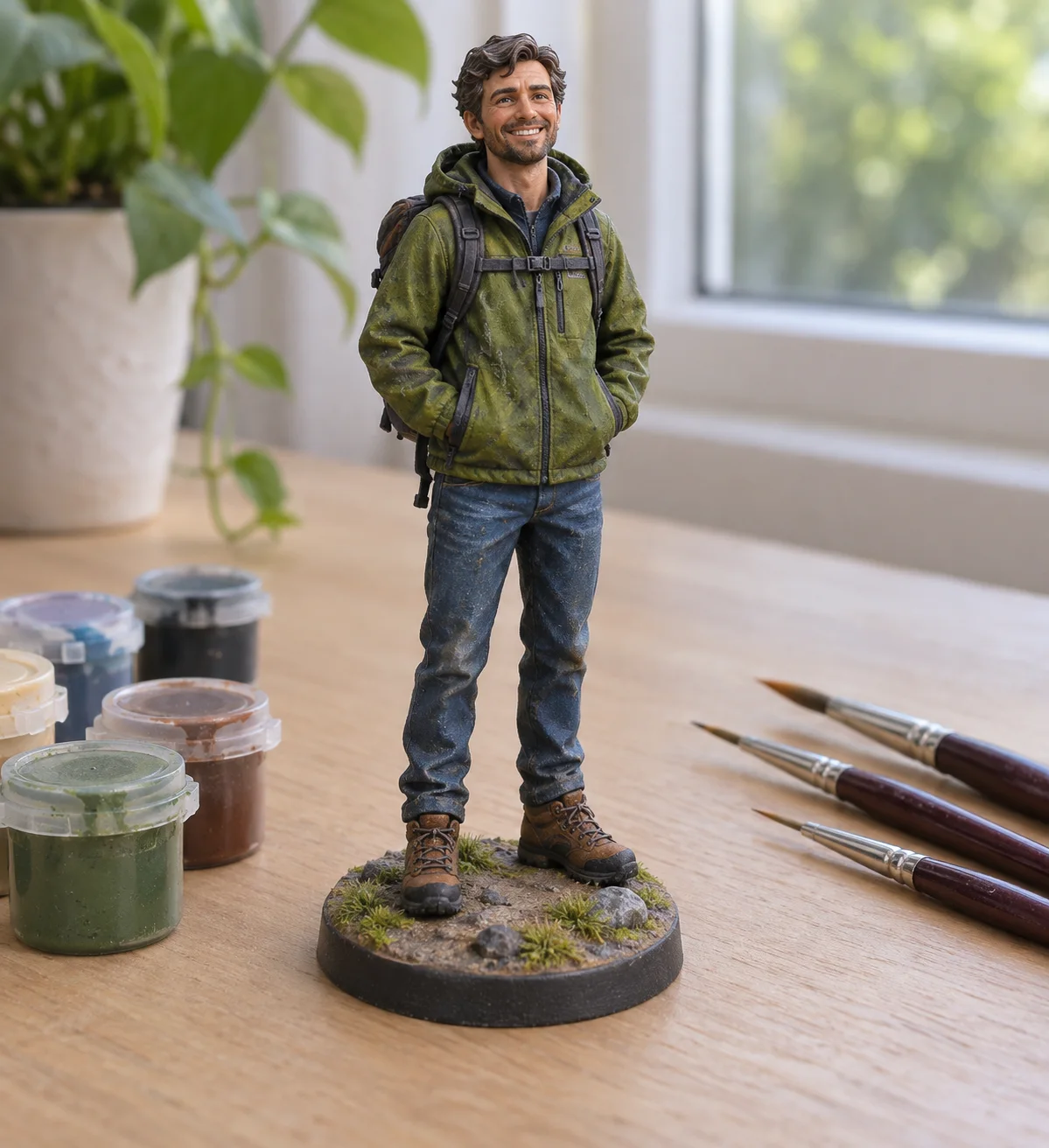
People recognise each other by face, hair and stance more than by exact proportions. A figure gets the stance and hair from the overall shape, which every route handles well. The face is where routes differ: at 12 cm a whole face is about 15 mm tall, so the nose and eyes are each a millimetre or two.
That is why paint matters so much. Eyes, brows and lips painted in the right place often do more for likeness than sculpted detail a printer cannot hold. Keep the colour model or your photo next to you while you paint.
In a photo, clear lighting on the face and a straight, natural pose help any route. Sunglasses, hats pulled low and hands in front of the body hide exactly what the figure needs.
Print it yourself or order the print
Every route except clay ends with a 3D file, and you choose how it becomes plastic:
- Your own FDM printer: cheapest per figure, well under a dollar of PLA for a 12 cm figure. Layer lines show on faces; sand, prime and paint.
- Your own resin printer: much finer faces at small sizes, but needs washing, curing, gloves and ventilation.
- A print service: upload STL or 3MF and get it posted in resin or nylon. Some services also print in full colour, which skips painting.
- A makerspace or library: book a printer and print it yourself for little more than material cost.
Print settings for each printer type are in figurine from photo; file questions are in STL vs OBJ.
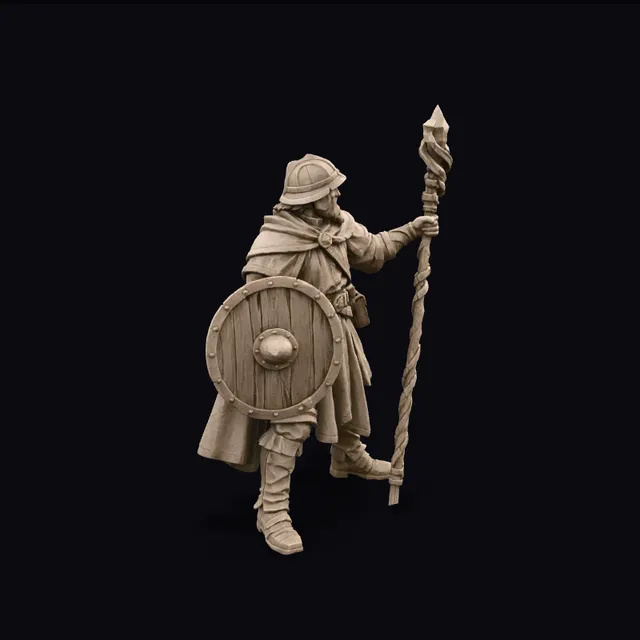
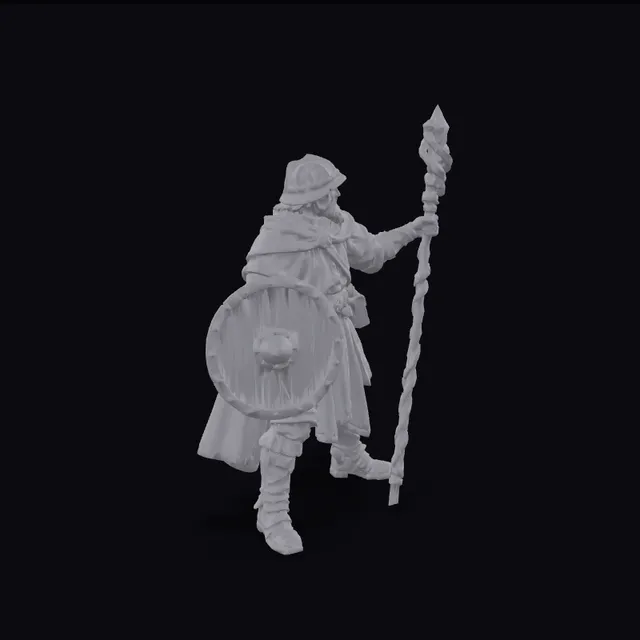
3D printed figurines start as a colour model and a print shape
The colour model is the paint guide; the clay view is what your slicer prints. Both come from one photo.
Do and don't for 3D printed figurines of people
Small decisions that make the difference between a figure that looks like you and one that looks like a stranger.
What a DIY figure costs, honestly
For one 12 cm figure via the AI route, printed at home. Prices for the Snapshapy steps are its own plan prices.
- Model from one photo
- 3 credits; the 3 free credits cover the first
- Print version (remesh)
- 0 credits
- STL or 3MF export
- Paid plan: Starter $19 a month, $9 the first month
- Credits per model on Starter
- 400 credits ≈ 130 models, so about $0.14 a figure
- PLA for a 12 cm figure
- 30–45 g, well under $1 at $20 a kilogram
- Primer and paints
- A one-off spend; a figure uses very little
- Your time
- About 10 minutes on the model, 5–7 hours of printing, an evening painting
Questions people ask
How to make 3D figures of yourself at home?
The quickest home route is one full-body photo turned into a 3D model with an AI tool, then printed on an FDM or resin printer and painted. Alternatives are scanning yourself with many photos and a photogrammetry app, or sculpting digitally in Blender. All three end with an STL or 3MF file for your slicer; clay sculpting skips the printer entirely.
Can I make a 3D printed figurine of myself for free?
Nearly. Snapshapy's 3 free credits make one textured model from your photo, which you can view and download as GLB. Printing needs an STL or 3MF, and that export comes with a paid plan, from $9 for the first month. Scanning with free photogrammetry software is free apart from time; the filament for a small figure costs under a dollar.
Will the figure actually look like me?
Your build, hair, clothes and pose come through well from a clear full-body photo. Fine facial detail is simplified, partly by the model and partly because a 12 cm figure has a face only about 15 mm tall. Careful painting of the eyes, brows and lips makes the biggest difference. For the closest face, a scan or a professional sculptor wins.
What size should a figure of a person be?
For a recognisable face, 12–17 cm, which is roughly 1:12 to 1:10 scale for an adult. Smaller figures around 8 cm work as cake toppers or gifts, where clothes and hair carry the likeness. Tabletop miniatures at 28–32 mm need a resin printer and are very simplified. Divide real height by the scale to get figure height.
Is resin or FDM better for 3D printed figurines?
Resin keeps far more facial detail, especially under 10 cm, and needs less sanding, but it requires washing, curing, gloves and good ventilation. FDM is cleaner to run, cheaper per figure and fine at 12 cm and above, with layer lines you sand and prime away. If the face matters and the figure is small, choose resin.
How long does it take to make a 3D figure from a photo?
The model takes 4–7 minutes for most photos in Snapshapy, and the print version is made in the same chat. Printing a 12 cm figure on FDM takes about 5–7 hours. Supports, sanding, priming and painting add an evening or two. A scan takes longer at the start, and sculpting by hand takes days.
Can I make a figurine of someone else as a gift?
Yes. A clear full-body photo of them works exactly like one of you, and figures of partners, parents and grandparents are popular gifts. Ask before using someone's photo if the figure will be shown or shared, and never sell figures of a person without their permission. For a surprise, pick a photo where they stand naturally.
Why does my figure break at the ankles or wrists?
Thin parts are the weak point of any small figure, especially on FDM where layers can split. Scale the figure up, add a flat base joining the feet, print upright with supports under the arms, and use three walls. On resin, cure fully but not too long; over-cured prints get brittle. A wider stance in the photo also helps.
Make a 3D printed figurine of yourself from one photo
Upload a full-body photo and the agent builds a textured model in 4–7 minutes for 3 credits, then a print version for free. New accounts get 3 free credits.